
How should dogs (and other pets) be carried in the car according to the DGT?
According to the DGT, when travelling with your pet in the car, you must place a separator to prevent your pet from distracting you and

The veterinary urology is responsible for the diagnosis and treatment of diseases of the urinary system in dogs and cats, including kidney, bladder, urethra and prostate problems. Disorders such as urinary tract infections, urinary stones, difficulty urinating or changes in urination require specific veterinary assessment and appropriate follow-up.
At Benivet Benissa we address urological problems by means of a full clinical evaluationThe treatment is supported by diagnostic tests and a treatment adapted to the cause and the situation of each pet, with the aim of alleviating discomfort and preventing relapses.
Benivet Benissa - Av. del País Valencià, 10, 03720 Benissa -
M-F 9:30-18:30 - S 10:00-13:00
The urinary problems in pets can seriously affect their quality of life and require specialised veterinary care. At Benivet Benissawe offer a complete service of veterinary urology for the diagnosis and treatment of urinary system disorders in dogs and cats.
Infections, stones, incontinence or kidney disease can manifest with symptoms such as difficulty urinating, blood in the urine, changes in frequency or even loss of urinary control. Early detection can prevent further complications.
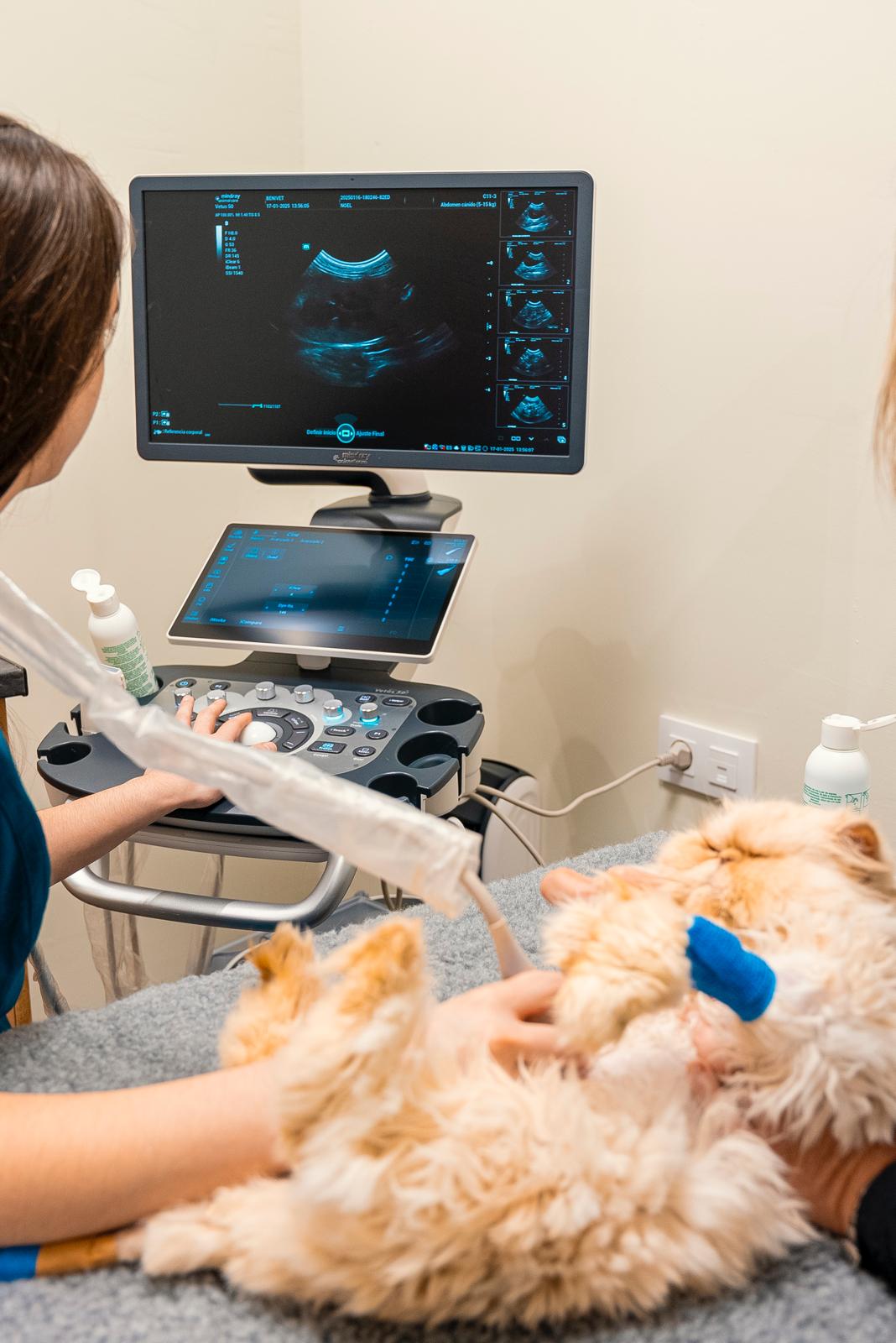
Our team carries out clinical analysesWe perform abdominal ultrasound scans and specific tests to identify the source of the problem and establish an appropriate treatment. In addition, we evaluate whether there are systemic conditions from the area of internal medicine that are affecting the urinary system.
We also advise you on prevention, diet and specific care to reduce the risk of recurrences, especially in pets prone to urinary tract infections or stones.
If your pet shows urinary symptoms, in Benivet Benissa we are ready to help you with a professional, careful and effective approach.
Urinary system problems can occur in dogs and cats at any stage of life. At Benivet BenissaWe have a specialised service of veterinary urology which covers everything from prevention to diagnosis and treatment of urinary disorders.
Conditions such as bladder stones, recurrent infections or kidney failure may manifest with difficulty urinating, blood in the urine or changes in frequency. Identifying these signs early is vital to prevent complications.
To diagnose, we carry out urinary culturesWe can perform ultrasound scans and specific urinary tract tests to determine the cause of the problem and apply the most appropriate treatment. We also guide you in dietary care and healthy habits to prevent recurrences.
In associated or complex cases, we collaborate with our speciality of general medicine to assess systemic factors. In addition, in situations that require comprehensive support, we act together with our team of veterinary oncology if urinary tumours are suspected.
According to the Veterinary Urology SocietyIn addition, timely diagnosis and a multidisciplinary approach are key to the effective management of urinary diseases.
If you detect urinary symptoms in your pet, at Benivet Benissa we are at your disposal to provide you with an accurate diagnosis and professional treatment.
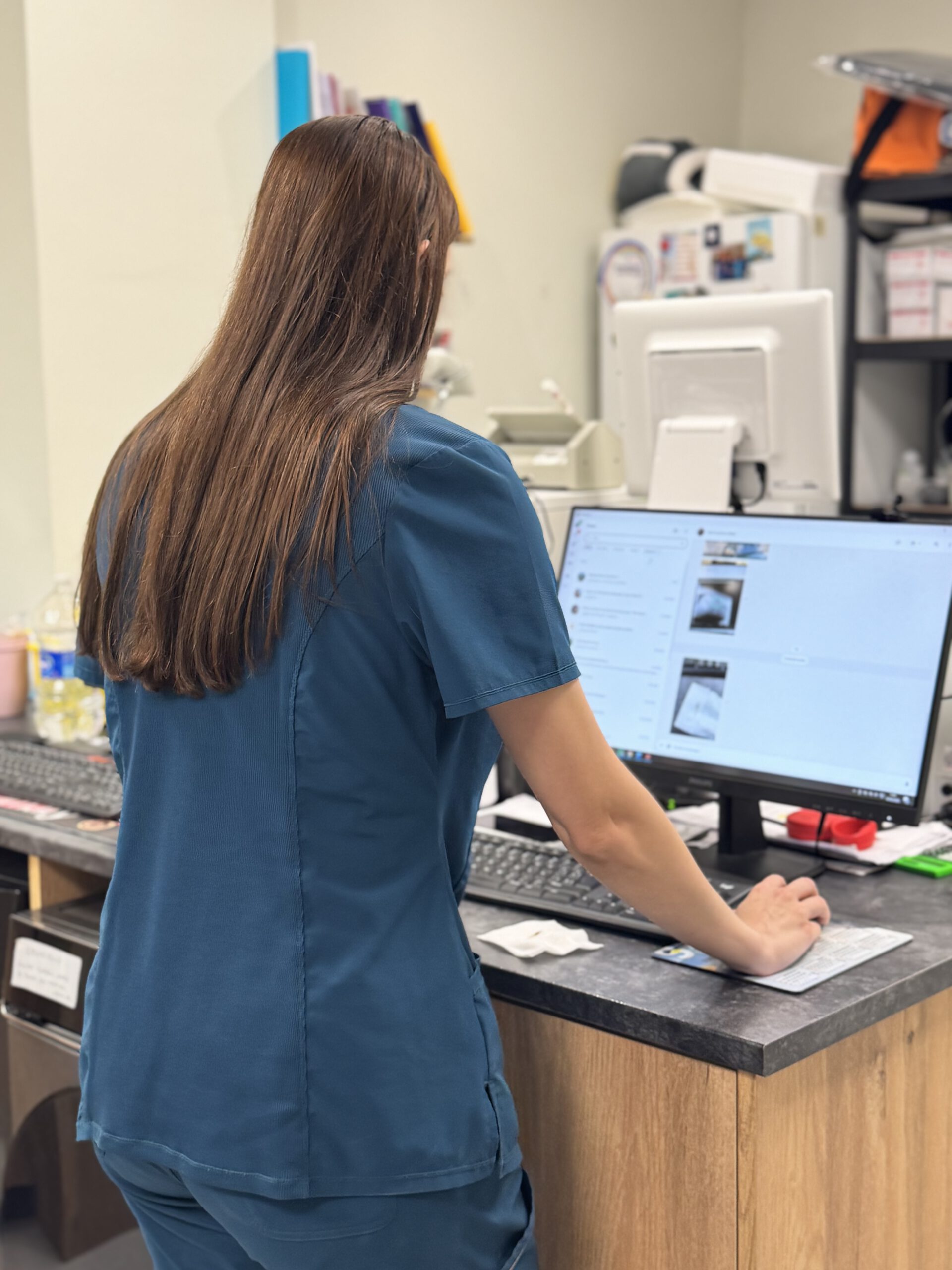
Veterinary urology deals with the diagnosis and treatment of diseases of the urinary system in dogs and cats.
Changes in the shape, frequency or difficulty of urination usually indicate a urinary problem requiring veterinary assessment.
Difficult or painful urination
Increased or decreased urinary frequency
Presence of blood in the urine
Urinary tract infections or repeated episodes may have an underlying cause that needs specific investigation.
Recurrent urinary tract infections
Frequent cystitis
Relapses after previous treatments
Some diseases of the urinary system require a specialised approach and long-term follow-up.
Kidney disease
Urinary stones
Bladder, urethral or prostate disorders
If your dog or cat repeatedly assumes the position to urinate, strains but does not pass any urine — or only passes a few drops — contact a veterinary practice as soon as possible.
A urinary obstruction prevents the bladder from emptying properly and can lead to a rapid deterioration in the cat’s general condition. The risk is particularly high in male cats due to the structure of their urethra.
Seek veterinary advice if you notice:
Repeated visits to the litter tray or frequent attempts to urinate.
Straining without passing any urine, or passing only very small amounts.
Meowing, whimpering or signs of pain when attempting to do so.
Blood in the urine.
Persistent licking of the genital area.
Restlessness, isolation or sudden changes in behaviour.
A painful or tense abdomen.
Vomiting, weakness, loss of appetite or fatigue.
Leakage of urine outside your usual place.
Straining to urinate can be mistaken for constipation, especially in cats. If you cannot tell whether your cat is trying to urinate or defecate, please contact the clinic anyway so that we can advise you.
Keep your pet calm and limit its activity.
Check when you last urinated normally.
Check whether she passes a normal amount, a few drops or nothing at all.
Record a video if you can do so without delaying your journey.
Please have your medical history, medication and previous treatments to hand.
Use a secure carrier to transport cats.
Do not press or massage the abdomen in an attempt to empty the bladder. Nor should you administer antibiotics, anti-inflammatories, human painkillers or home remedies without veterinary advice.
If you are unable to pass urine, do not wait to see if it gets better on its own.
The first step is to carry out a veterinary practice to check the patient’s general condition, examine the bladder and determine whether there is a blockage or any other urinary problem.
Depending on the individual case, the following may be recommended:
A urinalysis to analyse the concentration, sediment, and the presence of blood, crystals or signs of infection.
A blood tests to assess kidney function, general health and any associated conditions.
A veterinary ultrasound to examine the bladder, kidneys, ureters and other structures.
A veterinary X-ray when it is necessary to investigate certain urinary stones.
A urine culture should be carried out if a bacterial infection is suspected.
Symptoms alone do not always reveal the cause. Cystitis, crystals, stones, infections and blockages can all produce similar symptoms, but require different treatments.
In cases of obstruction, dehydration, severe pain or abnormal test results, it may be necessary to stabilise the patient, insert a urinary catheter, administer fluid therapy and monitor their progress.
In such cases, care can continue in our veterinary hospitalisation.
If the problem is related to a kidney, metabolic or recurrent condition, follow-up can be arranged with veterinary internal medicine.
Following diagnosis, the prevention plan will depend on the cause. It may include:
Increase your water intake.
Adjust your diet.
Manage your weight.
Keep the sandpits clean and accessible.
Reducing stress factors in cats.
Administer the prescribed medication.
Carry out urine tests and regular check-ups.
Do not put your pet on a urinary diet without veterinary advice, and do not change a therapeutic diet on your own. When diet forms part of the treatment, we can coordinate follow-up with the veterinary nutrition.
You can also check What type of litter tray and litter are best for a cat?.
Does your pet strain but can’t manage to urinate? Contact Benivet Benissa or call +34 622 325 271.
Benivet Benissa
Av. del País Valencià, 10, 03720 Benissa, Alicante
Telephone: +34 622 325 271
Opening hours: Monday to Friday from 09:30 to 18:30; Saturdays from 10:00 to 13:00.
Trustindex verifica que la fuente original de la reseña sea Google. Muchas gracias a toda la gente que trabaja en Benivet ☺️ Son profesionales y gente muy amable. Mi gata Mini está mucho mejor gracias a ellos. Son un gran equipo y el trato a los animales no puede ser mejor, los tratáis genial. Sin duda siempre volvemos!!Publicado en GoogleTrustindex verifica que la fuente original de la reseña sea Google. Todo genial! Muy recomendable.Publicado en GoogleTrustindex verifica que la fuente original de la reseña sea Google. Súper professionals, es nota que els agrada el que fan. Molt contenta.Publicado en GoogleTrustindex verifica que la fuente original de la reseña sea Google. Atención inmejorable, profesionalidad indiscutible!! Son un equipo de 10! Conocí a Ana y Andrea hace ya 4 años y estoy encantada de poder contar con ellas y confiarles la salud de mis mascotas! Transmiten el amor por la profesion y los animales!! Es un placer poder contar con todo el equipo!! Muchas gracias chic@s !!Publicado en GoogleTrustindex verifica que la fuente original de la reseña sea Google. Onze hond had een splinter in zn poot, we konden direct terecht en uurtje later konden we hem weer ophalen, operatie en een narcoseprik samen voor maar €. 90.00 maar wat een lieve maar vooral professionals......TOPPublicado en GoogleTrustindex verifica que la fuente original de la reseña sea Google. Para mí es el mejor veterinario de la zona , siempre el mejor trato y con los mejores resultados .Publicado en GoogleTrustindex verifica que la fuente original de la reseña sea Google. This vet is amazing. We travel from Calpe to Benissa for their services. The staff are friendly, knowledgeable and so helpful.Publicado en GoogleTrustindex verifica que la fuente original de la reseña sea Google. Estoy muy contenta con este veterinario, la atención siempre ha sido muy buena y personalizada y las veterinarias tratan a Queen con mucho cariño, a pesar de sus ladridos :)Publicado en GoogleTrustindex verifica que la fuente original de la reseña sea Google. Super cercanos, dispuestos siempre a ayudarte y muy pendientes de los animalitos. Son un equipo increíble!
The veterinary urology is indicated when your dog or cat shows urinary signs such as frequent urinationpain on urination, straining, blood in urineWe can also carry out tests to determine the cause of the problem, such as accidents at home, excessive licking of the area, or changes in drinking/snoring. At Benivet Benissa we carry out a complete assessment and, if necessary to confirm the cause or choose the most appropriate treatment, we recommend tests. only when they provide useful information:
Veterinary practice in BenissaClinical history, examination and initial orientation (emergency vs. planned management).
Urinalysiskey test to detect infection, blood, crystals and assess urine concentration.
Blood teststo assess renal function, general condition, inflammation and safety of treatment (especially in recurrent cases or senior patients).
Veterinary ultrasounduseful for assessing bladder, kidneys and ureterssuspected stones, obstructions, inflammation or masses.
Veterinary radiology: support in some cases to study calculi and to complete the diagnostic imaging.
If the case is recurrent, there is chronic disease or we need a global approach (renal/metabolic), we coordinate the follow-up from veterinary internal medicine. And if the patient requires pain control (e.g. painful cystitis or colic), we can rely on anaesthesia and analgesia and/or the PAIN UNIT as the case may be.
👉 If your pet cannot urinateyou have severe pain or you see a lot of blood, request an appointment here or call +34 622 325 271.
According to the DGT, when travelling with your pet in the car, you must place a separator to prevent your pet from distracting you and
Only a veterinarian can assess the health status of the animals, taking also into account other circumstances such as the type of
Domestic or companion animals, particularly those belonging to the canine species, shall also be classified as potentially dangerous,
Cystitis, crystals, stones, infections and blockages can cause similar symptoms but require different treatments. Depending on the individual case, further tests or services may be recommended.
A key test for detecting infection, blood or crystals, and for assessing urine concentration.
To assess kidney function, general health and the safety of the treatment, particularly in cases of recurrence or in elderly patients.
Examine the bladder, kidneys and ureters if stones, blockages, inflammation or masses are suspected.
To assist with the investigation of certain urinary stones and to supplement diagnostic imaging.
Follow-up of recurrent cases or those associated with kidney disease, metabolic disorders or chronic conditions.
In cases of obstruction, dehydration or severe pain, to stabilise the patient and monitor their progress.
The most common include urinary infectionsThey can cause pain, crystals and stones, bladder inflammation, lower urinary tract disease (especially in cats), incontinence, urethral obstructions, tumours and associated renal disorders. They may cause pain, difficulty urinating or blood in the urine.
You should see a vet if you notice any:
Difficulty in urinating or very frequent urination
Bloody or foul-smelling urine
Excessive licking of the genital area
Urine drops at home
Pain when urinating
straining without passing urine (severe urgency in male cats)
Any change in urinary habits requires immediate review.
Depending on the case, they are carried out:
Complete urinalysis
Bacterial culture
Abdominal ultrasound
X-ray (including contrast if necessary)
Blood tests to assess kidney
These tests help to identify the exact cause and select the most appropriate treatment.
It is urgent when the animal attempts to urinate but fails to pass urine. This is especially critical in male cats at risk of urethral obstruction, which can become a life-threatening emergency within hours. It is also urgent if there is severe pain, heavy bleeding or associated vomiting.
Treatments may include antibiotics, anti-inflammatories, specific urinary diets, increased hydration, stress management (in cats), analgesics, lithotripsy, or surgery for stone removal or repair of obstructions. The choice depends on the final diagnosis.
The key preventive measures are:
Ensure good hydration (cat food fountains, wet food)
Maintaining an appropriate weight
Follow a urinary diet if indicated by the veterinarian.
Reducing stress in cats (territory, pheromones, stable routines)
Periodic screening and urinalysis in patients with a urinary history
Early surveillance reduces the risk of complications.
Do you have any doubts about care, treatment or prevention for your pet? Consult our section of Frequently Asked Questions where we solve the most common queries about dogs and cats.