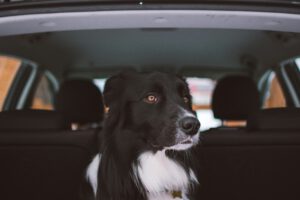
How should dogs (and other pets) be carried in the car according to the DGT?
According to the DGT, when travelling with your pet in the car, you must place a separator to prevent your pet from distracting you and

The veterinary anaesthesia and analgesia are essential to ensure the safety, well-being and pain management of dogs and cats during diagnostic, surgical procedures or treatments that may be uncomfortable or painful.
At Benivet Benissa We apply individualised anaesthetic protocols, adapted to the age, state of health and needs of each patient, with continuous monitoring and a focus on the safe and comfortable recovery of the pet.
Benivet Benissa - Av. del País Valencià, 10, 03720 Benissa -
M-F 9:30-18:30 - S 10:00-13:00
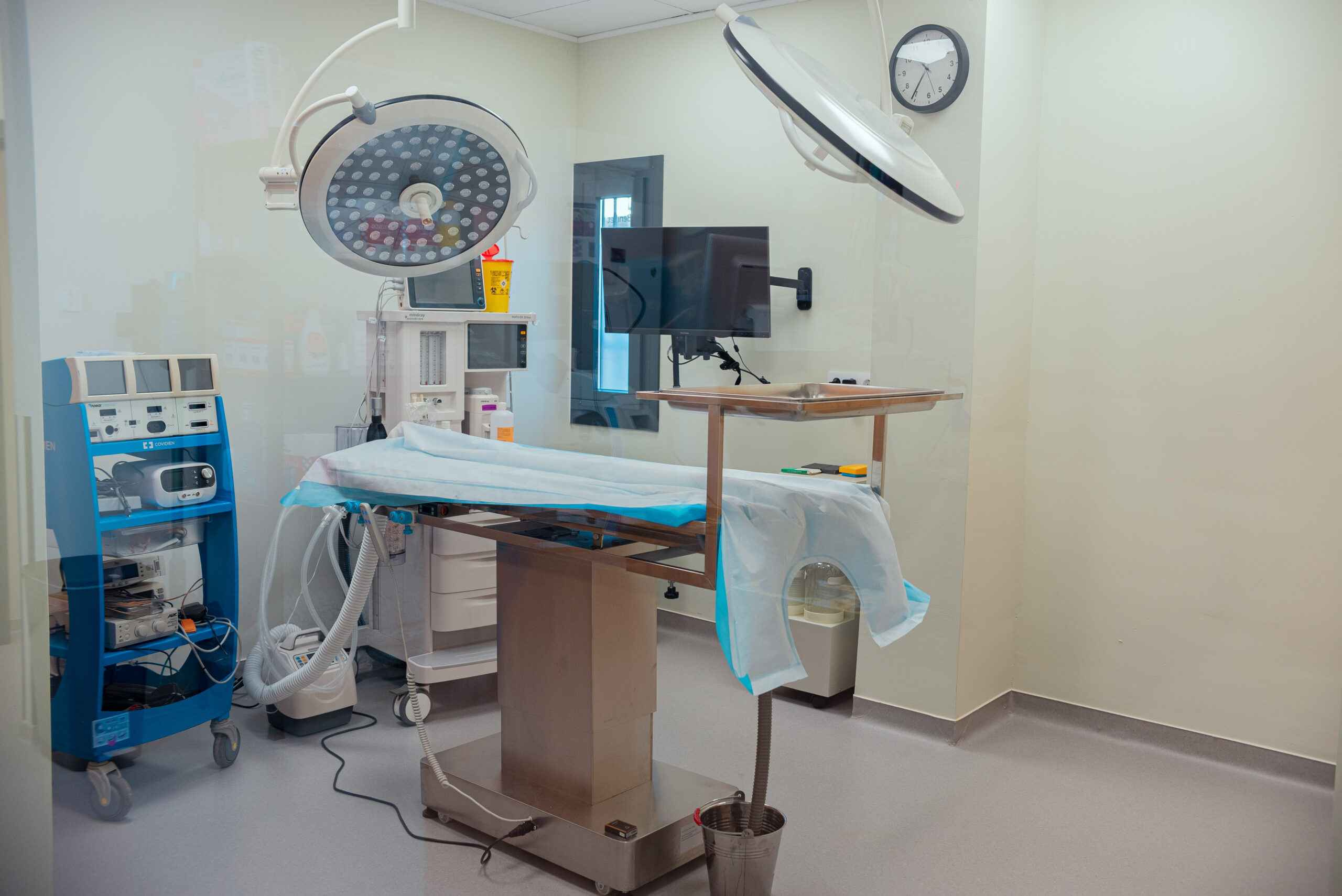
At Benivet Benissawe guarantee authorised and convenient procedures for dogs, cats and other pets through our dog and cat care services. veterinary anaesthesia and analgesia. Our team uses advanced techniques to minimise risk, ensure stability during each procedure and facilitate a quick and pain-free recovery.
Prior to anaesthesia, we carry out a complete assessment of your pet's general condition, including clinical examination and, if necessary, tests such as blood tests o urinalysis to adjust the anaesthetic protocol individually. During the procedure, we monitor vital signs with state-of-the-art equipment. After the procedure, we apply effective analgesia to prevent pain and promote postoperative well-being.
Our approach combines experience, personalised attention, advanced technology and proven safety protocols. In Benissa, you have the peace of mind that your partner is in expert hands.
For global standards on pain management, you can refer to the WSAVA Veterinary Pain Management Guidelinesreflecting the international consensus on evidence-based analgesia
At Benivet Benissaour service of veterinary anaesthesia and analgesia goes beyond the procedure: it is a safe and pain-conscious intervention for animals. We adapt the anaesthetic protocols according to the size, age and state of health of your pet.
During the process:
We value the option of balanced anesthesia (balanced anesthesia)reducing doses and risks by combining agents and analgesics (pre-anaesthesia, induction, maintenance, recovery). AAHA
We apply multimodal techniques to maximise comfort and facilitate a quick and smooth recovery.
In surgical cases, we complement with services such as/services/pain-unit/ veterinary surgery and monitoring in our pain unit and animal behaviour for a comprehensive approach.
At Benivet, your pet receives a professional, safe treatment, focused on its overall wellbeing.
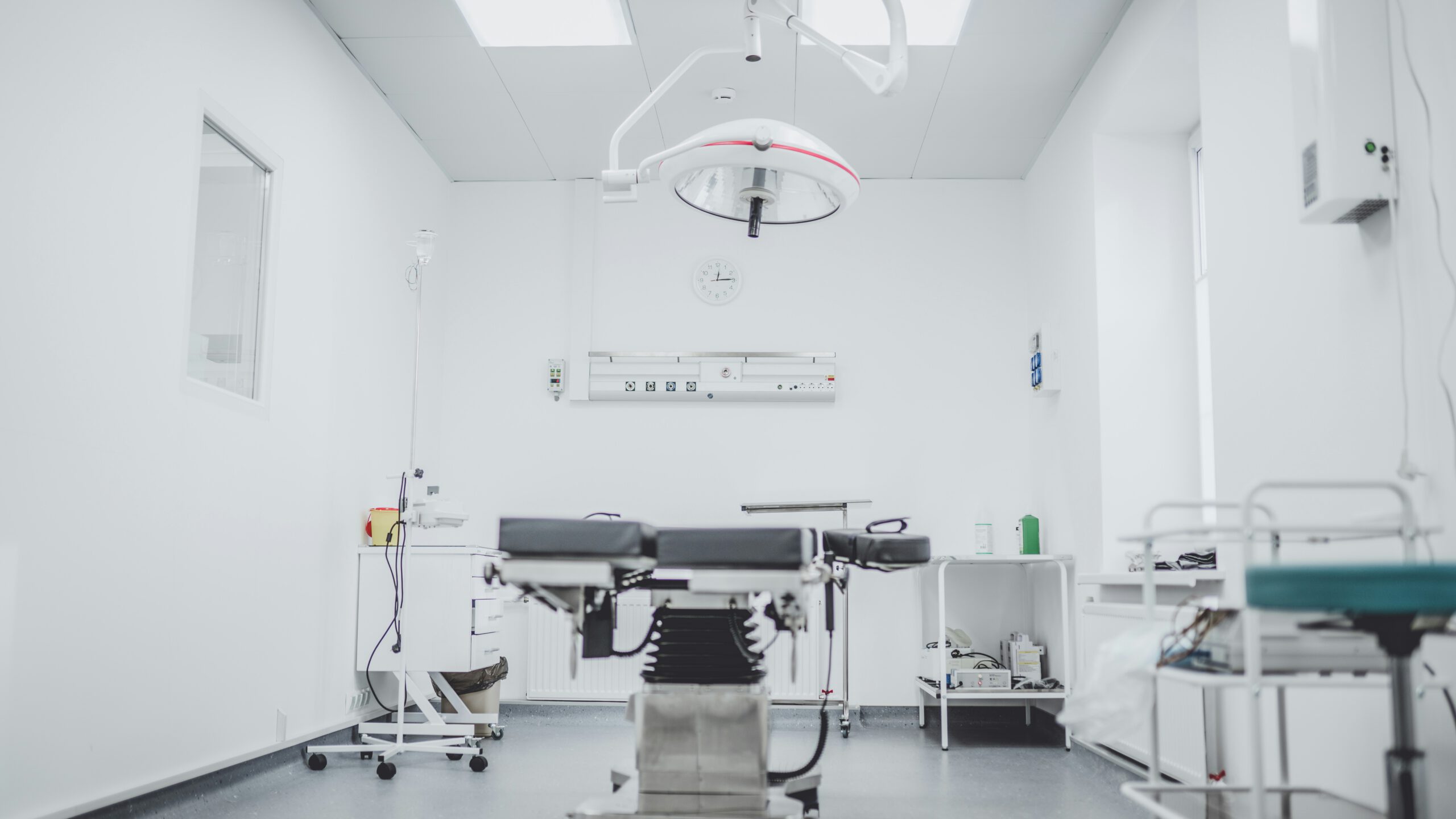
Anaesthesia and analgesia allow veterinary procedures to be performed safely, controlling pain and stress for the patient.
Anaesthesia is essential to perform surgeries safely, protecting the welfare of the animal throughout the procedure.
Planned surgeries
Orthopaedic and soft tissue interventions
Individualised anaesthetic monitoring
In some studies or examinations it is necessary to reduce patient movement or stress in order to obtain reliable results.
Advanced Diagnostic Imaging
Tests requiring immobility
Minimally invasive procedures
Analgesia allows the prevention and treatment of pain associated with illness, surgery or chronic processes, improving quality of life.
Postoperative pain
Chronic or degenerative pathologies
Multimodal pain management
Anaesthetic safety does not depend solely on the medicines used. It also requires a pre-operative assessment of the patient, monitoring of their vital signs during the procedure, and supervision of their recovery until they are stable.
At Benivet Benissa, we tailor our anaesthesia and analgesia protocol to the animal’s species, age, weight, state of health and the procedure to be carried out.
Planning begins with a review of the medical history and a veterinary examination. It is important that you let us know if your dog or cat:
He takes medication or supplements.
They have been diagnosed with a medical condition.
He has previously experienced allergic reactions to anaesthetics.
They have had vomiting, diarrhoea, a cough or a loss of appetite.
Have you noticed any changes since your last appointment?
They have undergone surgery or been anaesthetised at another hospital.
Depending on your age, medical history and the type of procedure, we may recommend a blood tests to assess the general condition and functioning of various organs.
In certain patients, it may also be necessary to carry out a urinalysis, a cardiological assessment or other tests before finalising the protocol.
During the procedure, the team monitors the patient’s response and adjusts the anaesthetic plan where necessary.
Monitoring may include an assessment of:
Heart rate and heart rhythm.
Breathing and ventilation.
Oxygenation.
Blood pressure.
Body temperature.
Depth of anaesthesia.
Response to the proceedings.
Administration of fluids and medicines.
The information obtained makes it possible to detect changes and adapt the anaesthesia to the patient’s condition. The type of monitoring and the necessary supportive measures depend on the procedure and the individual patient’s risk.
Anaesthesia can be used in a veterinary surgery, a presentation by soft tissues, a surgical procedure to orthopaedics, traumatology or the spine, a arthroscopy or certain tests for image diagnosis.
Pain relief is planned for before, during and after the procedure. Depending on the patient, different medicines and techniques may be combined to target different pain pathways.
This multimodal approach allows treatment to be tailored, ensuring that symptom management does not depend on a single medicine.
When a patient is suffering from chronic pain, needs follow-up appointments or requires a more comprehensive plan, we coordinate their care with the Benivet Benissa Pain Clinic.
Monitoring does not end when the operation or diagnostic test is over. During recovery, we monitor the patient’s progress until they have reached an adequate level of stability.
At this stage, the following are assessed:
Breathing and oxygenation.
Body temperature.
Level of consciousness.
The presence of pain, restlessness or nausea.
Ability to maintain good posture.
Progression of the wound, where applicable.
Need for medication or additional care.
The length of recovery may vary depending on age, clinical condition, the medicines used and the duration of the procedure.
Some pets can go home the same day. Others need to remain under observation in our veterinary hospitalisation.
Before your pet comes home, we’ll explain:
When you can eat and drink.
What medication do you need?
How long should you rest?
How to treat the wound, if there is one.
What sort of behaviour can be expected during the first few hours?
What symptoms mean you should contact the clinic?
When should the next service be carried out?
Do not administer human medicines, alter doses or combine treatments without veterinary advice.
If your pet is due to undergo a scheduled operation, you can also check What happens when a dog or cat needs an operation?.
Do you have any concerns about your pet’s anaesthesia, or do you need a pre-anaesthetic assessment? Book an appointment at Benivet Benissa or call +34 622 325 271.
Benivet Benissa
Av. del País Valencià, 10, 03720 Benissa, Alicante
Telephone: +34 622 325 271
Opening hours: Monday to Friday from 09:30 to 18:30; Saturdays from 10:00 to 13:00.
Trustindex verifica que la fuente original de la reseña sea Google. Muchas gracias a toda la gente que trabaja en Benivet ☺️ Son profesionales y gente muy amable. Mi gata Mini está mucho mejor gracias a ellos. Son un gran equipo y el trato a los animales no puede ser mejor, los tratáis genial. Sin duda siempre volvemos!!Publicado en GoogleTrustindex verifica que la fuente original de la reseña sea Google. Todo genial! Muy recomendable.Publicado en GoogleTrustindex verifica que la fuente original de la reseña sea Google. Súper professionals, es nota que els agrada el que fan. Molt contenta.Publicado en GoogleTrustindex verifica que la fuente original de la reseña sea Google. Atención inmejorable, profesionalidad indiscutible!! Son un equipo de 10! Conocí a Ana y Andrea hace ya 4 años y estoy encantada de poder contar con ellas y confiarles la salud de mis mascotas! Transmiten el amor por la profesion y los animales!! Es un placer poder contar con todo el equipo!! Muchas gracias chic@s !!Publicado en GoogleTrustindex verifica que la fuente original de la reseña sea Google. Onze hond had een splinter in zn poot, we konden direct terecht en uurtje later konden we hem weer ophalen, operatie en een narcoseprik samen voor maar €. 90.00 maar wat een lieve maar vooral professionals......TOPPublicado en GoogleTrustindex verifica que la fuente original de la reseña sea Google. Para mí es el mejor veterinario de la zona , siempre el mejor trato y con los mejores resultados .Publicado en GoogleTrustindex verifica que la fuente original de la reseña sea Google. This vet is amazing. We travel from Calpe to Benissa for their services. The staff are friendly, knowledgeable and so helpful.Publicado en GoogleTrustindex verifica que la fuente original de la reseña sea Google. Estoy muy contenta con este veterinario, la atención siempre ha sido muy buena y personalizada y las veterinarias tratan a Queen con mucho cariño, a pesar de sus ladridos :)Publicado en GoogleTrustindex verifica que la fuente original de la reseña sea Google. Super cercanos, dispuestos siempre a ayudarte y muy pendientes de los animalitos. Son un equipo increíble!
The anaesthesia and analgesia are key to ensuring that procedures (surgery, dental cleanings, sedation tests, painful cures) are safe and as comfortable as possible. At Benivet Benissa we individualise the plan according to the species, age, state of health and type of intervention. If it is necessary to assess risks or adjust medication, we can recommend tests. only when they provide useful information:
Veterinary practice in BenissaThe following is a brief history, complete examination and assessment of the patient prior to the procedure.
Blood teststo check liver/kidney function, general condition and anaesthetic safety (especially in seniors or patients with previous illnesses).
Urinalysisuseful adjunct when we need to refine the renal/metabolic assessment or there are urinary symptoms.
Veterinary radiologyChest/abdomen support or in cases with previous pathology that may influence anaesthesia.
Veterinary ultrasoundif there is suspicion of abdominal alterations or organs that condition the anaesthetic plan.
If the patient has chronic illness or requires a more global approach, we coordinate the case from veterinary internal medicine. And if the procedure is surgical, we integrate it with the veterinary surgery to ensure multimodal pain management before, during and after.
👉 If you want a pre-anaesthetic assessment or have questions about a procedure, request an appointment here or call +34 622 325 271.
According to the DGT, when travelling with your pet in the car, you must place a separator to prevent your pet from distracting you and
Only a veterinarian can assess the health status of the animals, taking also into account other circumstances such as the type of
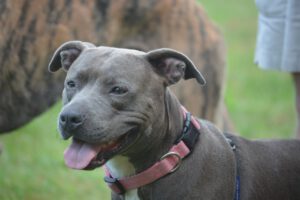
Domestic or companion animals, particularly those belonging to the canine species, shall also be classified as potentially dangerous,
Anaesthetic safety begins before the procedure and continues through to recovery. Depending on the individual patient, pre-procedure tests may be recommended and other clinic services may be arranged.
Pre-anaesthetic assessment of liver and kidney function and general health, particularly in elderly patients or those with pre-existing conditions.
An aid to refining the assessment of renal and metabolic function before finalising the anaesthetic plan.
Prior cardiological assessment in patients where this may affect the safety of anaesthesia.
Anaesthesia forms part of the surgical plan for multimodal pain management before, during and after surgery.
When recovery from anaesthesia requires the patient to remain under observation at the clinic.
Management of chronic or post-operative pain when the patient requires a more comprehensive plan.
When there is a need to perform procedures that cause pain or immobility (surgery, sutures, complex x-rays, deep cleaning of teeth) or to ensure safety and comfort during tests. The decision is made according to medical historyThe pet's health, exploration and risks/benefits for your pet.
The sedation reduces anxiety and movement; the general anaesthesia unconsciousness and absence of pain for more invasive procedures; the analgesia is the pain management before, during and after (with drugs and complementary measures). Sometimes they are combined to improve safety and recovery.
In many cases it is recommended to fasting controlled. It always indicates medications, allergies or diseases previous. If your pet is puppy, senior or has a chronic condition, we will give you specific instructions (food/water schedules and medication management) when confirming the appointment.
The following are reviewed backgroundphysical examination and, where indicated, basic tests (e.g. analytical). This information is used to adapt the anaesthetic/analgesic plan and explained with you the risks and benefits before the procedure.
Pain management is multimodal: it starts formerly (preventive analgesia), it is maintained during and continues then with home guidelines. This reduces stress, promotes recovery and reduces the risk of relapse.
We will deliver written instructions: quiet place, food and water as indicated, control of the injury if any, limitation of activity for the time specified, and alarm signals to contact us. We programme revision to check progress and adjust the pain plan if necessary.
Do you have any doubts about care, treatment or prevention for your pet? Consult our section of Frequently Asked Questions where we solve the most common queries about dogs and cats.