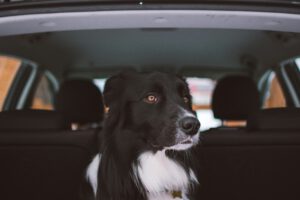
How should dogs (and other pets) be carried in the car according to the DGT?
According to the DGT, when travelling with your pet in the car, you must place a separator to prevent your pet from distracting you and
The Veterinary Soft Tissue Surgical Unit is responsible for the surgical treatment of non-bony organs and structures in dogs and cats, such as digestive, reproductive, urinary, skin and subcutaneous tissues. These procedures may be scheduled or necessary after a previous diagnostic process.
At Benivet Benissa we perform soft-tissue surgery following a individual clinical assessmentThe procedure is carried out using safe anaesthetic protocols, adequate pain control and postoperative monitoring aimed at a comfortable and controlled recovery of the pet.
Benivet Benissa - Av. del País Valencià, 10, 03720 Benissa -
M-F 9:30-18:30 - S 10:00-13:00
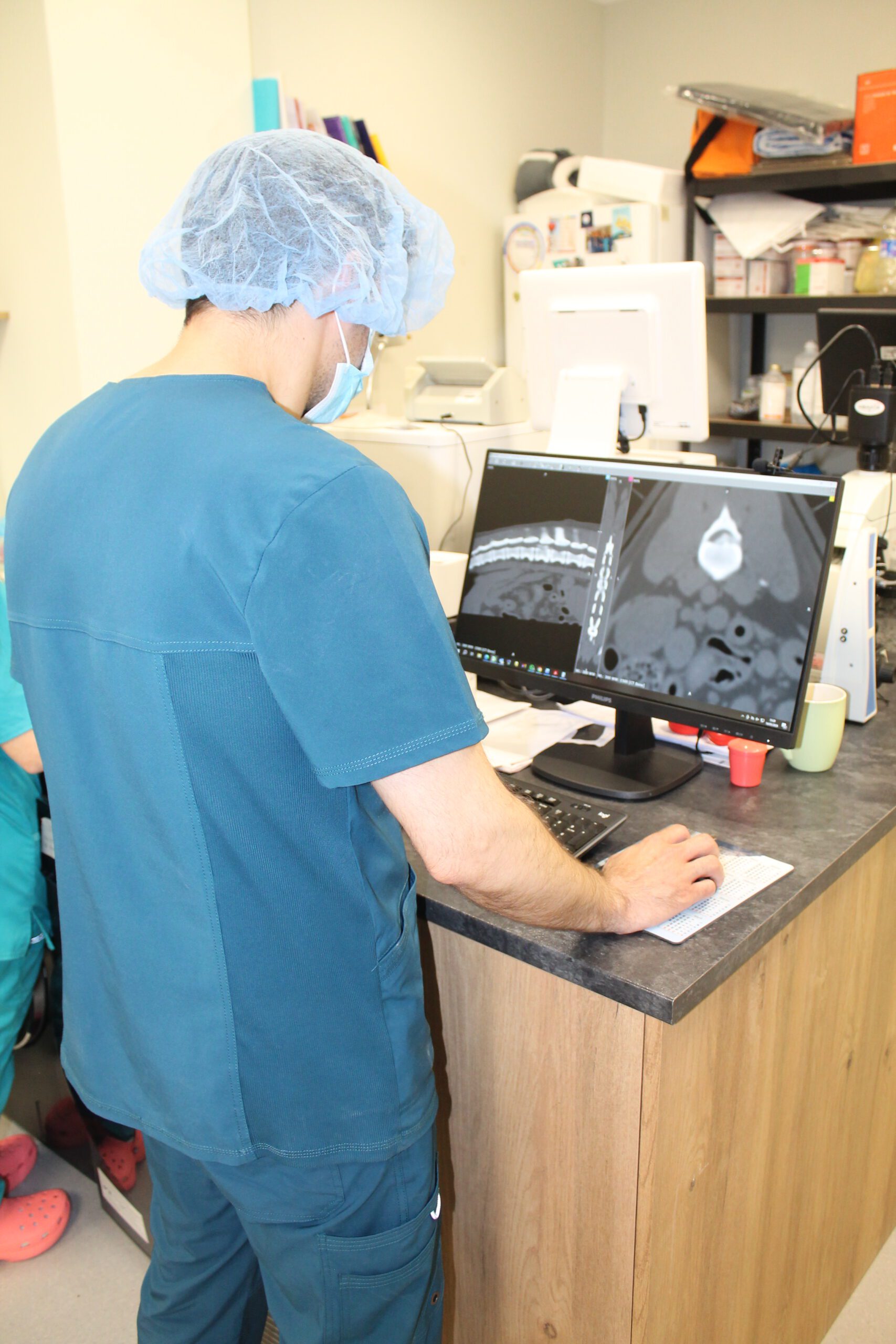
At Benivet Benissawe have a surgical unit specialising in soft tissue surgery for dogs, cats and other pets. Our veterinary team applies advanced techniques to intervene with precision and safety on internal organs, skin, glands and functional structures.
We do abdominal surgeriesWe also perform oncological interventions, extractions and resections, as well as emergency procedures such as gastric torsions or traumatic injuries. Each case is approached from our soft tissue surgery unitThe treatment is carried out with pre-planning, diagnostic examinations and a tailor-made approach to each patient.
During the intervention, we use intraoperative monitoring to guarantee the animal's stability at all times. After surgery, we offer a close follow up from our veterinary hospitalisationwith pain control, daily monitoring and tailored care.
In complex cases, we work closely with the team from internal medicine to coordinate a comprehensive and safe approach.
If your pet needs soft tissue surgery and you are looking for experience, rigour and personalised attention, at Benivet Benissa you will find the right equipment for their recovery.
At Benivet Benissayour pet has access to a advanced soft tissue surgical unitequipped to perform safe and precise interventions. From routine surgeries to complex procedures, our goal is to improve your health and quality of life.
We apply modern anaesthesia protocols and up-to-date surgical techniques that reduce pain, minimise stress and promote rapid recovery. We perform procedures such as abdominal surgeries, mass extractionWe are always available for hernia repairs or emergency procedures, always with a prior assessment from our veterinary practice.
Throughout the entire process, we offer exhaustive follow-up with monitoring, treatment and adapted care from our veterinary hospitalisationand nutritional support from the area of veterinary nutrition to promote recovery.
According to the American College of Veterinary Surgeons (ACVS)In addition, well-planned soft tissue surgery with proper follow-up can resolve serious conditions and significantly improve the patient's quality of life.
At BenivetYour peace of mind and the health of your pet are our priority.
Let us accompany you in your recovery with a reliable and quality surgical service.
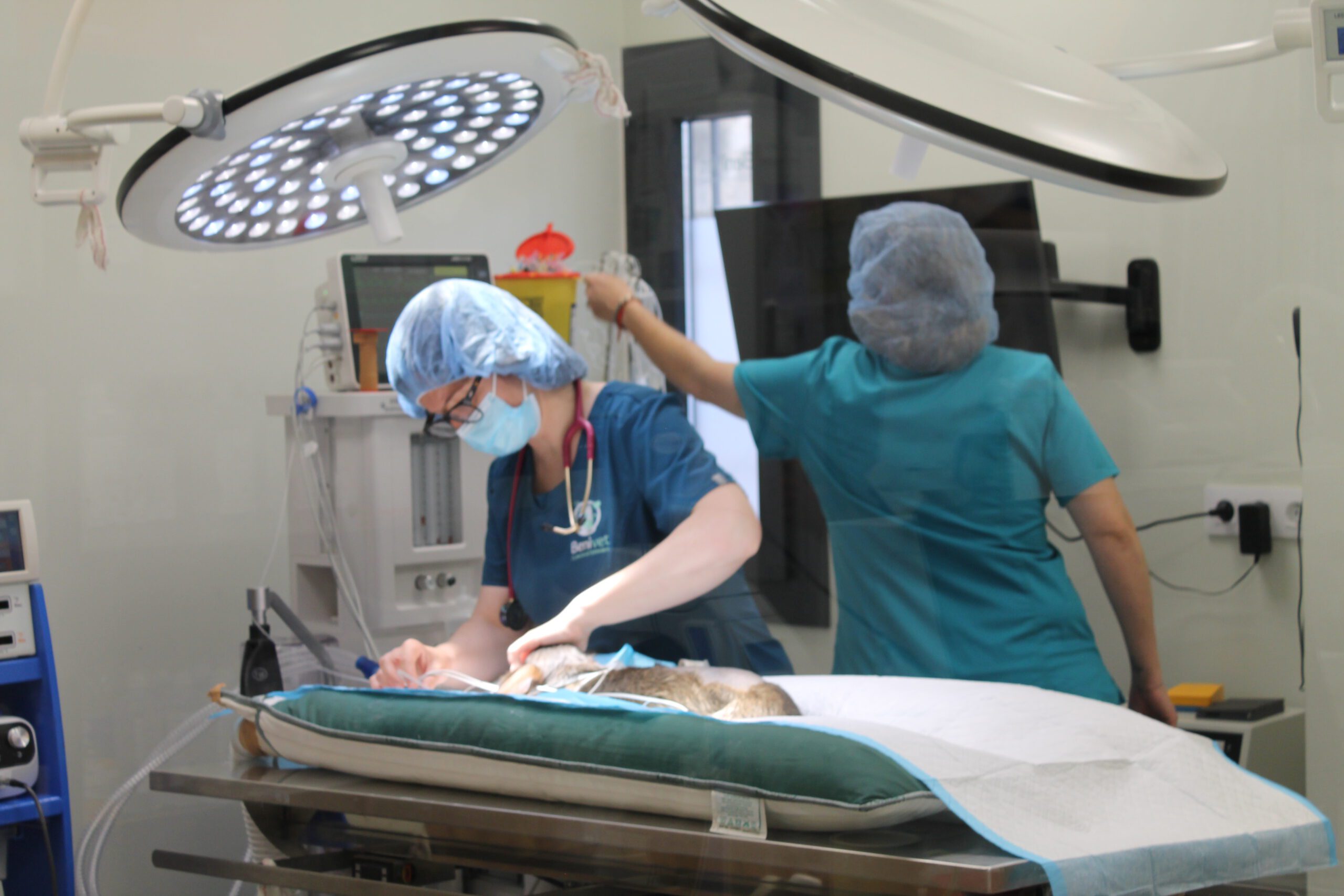
Soft tissue surgery addresses pathologies affecting non-bony organs and structures when medical treatment is not sufficient or not the best option.
Some internal organ diseases require a surgical approach to solve the problem or improve the patient's outcome.
Digestive system
Urinary system
Reproductive organs
Surgical removal may be necessary in the presence of masses, lumps or changes affecting non-bony tissues.
Cutaneous or subcutaneous tumours
Cysts or abscesses
Lesions that grow or do not resolve
The decision to perform soft tissue surgery is based on an individual assessment of the patient and diagnostic tests.
Results of analytical or imaging tests
Anaesthetic risk assessment
Personalised surgical planning
Proper preparation makes it easier to plan the procedure and helps ensure a smoother admission and recovery. Before soft-tissue surgery, the team at Benivet Benissa will provide you with instructions tailored to the procedure and your dog or cat’s health.
The length of time for which you should avoid food or drink may vary depending on your age, medical condition, regular medication and the type of procedure.
Follow only the instructions provided by your vet. Puppies, kittens and animals with diabetes or other medical conditions may require a different treatment plan.
Before the operation, please let us know if your pet:
He takes medication or supplements.
Do you have any known allergies or reactions?
They have been experiencing vomiting, diarrhoea, a cough or a loss of appetite.
She has previously undergone surgery or been put under anaesthetic.
They have a heart, kidney, liver or respiratory condition.
Have you noticed any changes since your last appointment?
Do not stop or start any treatment on your own. The team will tell you which medicines you should take on the day of the procedure.
If your pet has been treated at another clinic, please bring along any available test results, imaging scans, reports and treatment records. This information can help us carry out a thorough assessment and avoid unnecessary tests.
You can also ask for a second opinion or seek advice What happens when a pet needs elective surgery?.
Before the operation, we carry out a clinical examination and review the patient’s medical history. Depending on their age, general health and the type of surgery, it may be advisable to carry out a pre-operative blood tests or other supplementary tests.
With this information, the team at veterinary anaesthesia and analgesia can adapt the protocol and monitoring to the animal’s needs.
Before the day of your operation, you should ensure you have the following:
A quiet, clean and comfortable place to relax.
A space that restricts jumping and activity.
A pet carrier or secure restraint system.
Time to administer the medication and monitor the wound.
A protective collar or post-operative garment, where indicated.
Some procedures allow the animal to return home on the same day. Others require monitoring in our veterinary hospitalisation. Discharge will depend on the procedure, recovery from anaesthesia and each patient’s progress.
Before the operation, we will explain the following to you:
The purpose and scope of the procedure.
Recommended tests.
The anaesthetic protocol.
The pain management plan.
Wound care.
Subsequent feeding and medication.
Scheduled inspections.
Signs that you should contact the clinic.
Pain management is an integral part of the entire surgical process. Where necessary, we coordinate follow-up care with our veterinary pain unit.
Is your pet due for an operation, or do you need a second opinion? Book an appointment with Benivet Benissa or call us on +34 622 325 271.
Benivet Benissa
Av. del País Valencià, 10, 03720 Benissa, Alicante
Monday to Friday: 09:30–18:30
Saturdays: 10.00–13.00
Trustindex verifica que la fuente original de la reseña sea Google. Muchas gracias a toda la gente que trabaja en Benivet ☺️ Son profesionales y gente muy amable. Mi gata Mini está mucho mejor gracias a ellos. Son un gran equipo y el trato a los animales no puede ser mejor, los tratáis genial. Sin duda siempre volvemos!!Publicado en GoogleTrustindex verifica que la fuente original de la reseña sea Google. Todo genial! Muy recomendable.Publicado en GoogleTrustindex verifica que la fuente original de la reseña sea Google. Súper professionals, es nota que els agrada el que fan. Molt contenta.Publicado en GoogleTrustindex verifica que la fuente original de la reseña sea Google. Atención inmejorable, profesionalidad indiscutible!! Son un equipo de 10! Conocí a Ana y Andrea hace ya 4 años y estoy encantada de poder contar con ellas y confiarles la salud de mis mascotas! Transmiten el amor por la profesion y los animales!! Es un placer poder contar con todo el equipo!! Muchas gracias chic@s !!Publicado en GoogleTrustindex verifica que la fuente original de la reseña sea Google. Onze hond had een splinter in zn poot, we konden direct terecht en uurtje later konden we hem weer ophalen, operatie en een narcoseprik samen voor maar €. 90.00 maar wat een lieve maar vooral professionals......TOPPublicado en GoogleTrustindex verifica que la fuente original de la reseña sea Google. Para mí es el mejor veterinario de la zona , siempre el mejor trato y con los mejores resultados .Publicado en GoogleTrustindex verifica que la fuente original de la reseña sea Google. This vet is amazing. We travel from Calpe to Benissa for their services. The staff are friendly, knowledgeable and so helpful.Publicado en GoogleTrustindex verifica que la fuente original de la reseña sea Google. Estoy muy contenta con este veterinario, la atención siempre ha sido muy buena y personalizada y las veterinarias tratan a Queen con mucho cariño, a pesar de sus ladridos :)Publicado en GoogleTrustindex verifica que la fuente original de la reseña sea Google. Super cercanos, dispuestos siempre a ayudarte y muy pendientes de los animalitos. Son un equipo increíble!
The soft tissue surgery is indicated when we need to treat problems affecting skin and massesWe can also perform tests on the digestive system, reproductive system, bladder, spleen, liver or other internal structures (for example: lumps, wounds, abscesses, foreign bodies, scheduled surgeries or emergencies). At Benivet Benissa we assess each case individually and, if it is necessary to confirm the cause or to plan the intervention safely, we recommend the following tests only when they provide useful information:
Veterinary practice in BenissaClinical history, complete examination and decision on the best approach (scheduled vs. urgent).
Blood tests y urinalysisPre-anaesthetic study to assess general condition, liver/kidney function and increase safety, especially in elderly patients or those with previous illnesses.
Veterinary ultrasoundvery useful for studying organs and soft tissuesabdominal masses, fluid, bladder and guide surgical decisions.
Veterinary radiologyChest/abdomen support as appropriate (e.g. suspected foreign bodies, pre-surgical monitoring or associated processes).
Microscopy and cytologyto guide the type of lesion in bulks/masses and decide on the plan (and, where appropriate, coordinate it with veterinary oncology).
If the surgery is scheduled, we coordinate the protocol with anaesthesia and analgesia for multimodal pain management before, during and after. If the case requires global follow-up or there are co-morbidities, we integrate it with veterinary internal medicine. And if you need close monitoring or continued treatment, we can rely on veterinary hospitalisation.
👉 If you need scheduled surgery, a second opinion or to assess a lump/mass, request an appointment here or call +34 622 325 271.
According to the DGT, when travelling with your pet in the car, you must place a separator to prevent your pet from distracting you and
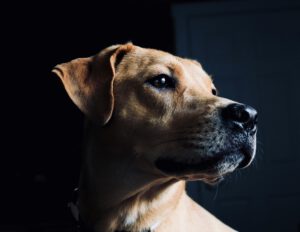
Only a veterinarian can assess the health status of the animals, taking also into account other circumstances such as the type of
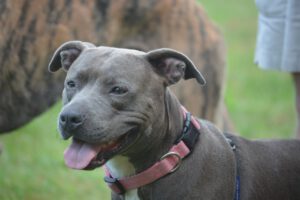
Domestic or companion animals, particularly those belonging to the canine species, shall also be classified as potentially dangerous,
Before, during and after soft-tissue surgery, other departments within the clinic may be involved in planning the procedure and supporting the patient’s recovery.
An anaesthetic protocol tailored to each patient and pain management before, during and after surgery.
Examination of the organs, abdominal masses and bladder to guide the decision to operate and surgical planning.
Pre-anaesthetic assessment to evaluate the patient’s general condition and liver and kidney function prior to surgery.
It helps to determine the nature of lumps and masses in order to decide on the most appropriate surgical plan.
Post-operative monitoring and care when the procedure requires continuous monitoring.
Monitoring of post-operative pain in cases requiring longer-term management.
Soft tissue surgery encompasses interventions on internal organs, skin, digestive, reproductive, urinary, respiratory and non-bony structures. It includes surgeries such as removal of tumoursgastrointestinal surgery, spleen, bladder, bladder, perineum, complex wounds, reconstructive surgery, among others.
It is recommended when there are tumours, foreign bodies, torsions, obstructions, organ ruptures, serious infections, abscesses, deep wounds or pathologies that do not respond to medical treatment. The veterinarian assesses whether surgery is the best option according to the patient's stability and diagnosis.
Depending on the case, they are carried out:
Blood and urine tests
Abdominal ultrasound
X-rays
CT when the area is complex or advanced planning is required
Pre-anaesthetic tests
These tests help to ensure that the surgery is as safe as possible and to choose the appropriate technique.
The usual risks are bleeding, infection, anaesthetic complications or scarring problems. In Benivet Benissa we use advanced anaesthetic protocols, pain control, continuous monitoring and updated surgical techniques to minimise risk and promote recovery.
It includes pain control, rest, use of an Elizabethan collar, wound care, progressive feeding according to the surgery and scheduled check-ups. Some operations require initial hospitalisation and, in digestive or urinary cases, special diets during recovery.
It depends on the type of surgery. Many minor operations allow for recovery in 7-14 dayswhile major abdominal or reconstructive surgeries may require 3-6 weeks. During the reviews, the activity and care plan is adjusted.
Do you have any doubts about care, treatment or prevention for your pet? Consult our section of Frequently Asked Questions where we solve the most common queries about dogs and cats.