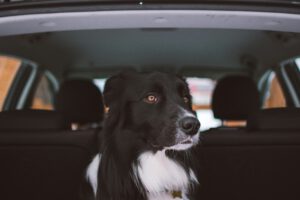
How should dogs (and other pets) be carried in the car according to the DGT?
According to the DGT, when travelling with your pet in the car, you must place a separator to prevent your pet from distracting you and
The veterinary nutrition is a fundamental pillar in maintaining the health, well-being and quality of life for dogs and cats at all stages of their lives. Proper nutrition can help prevent disease, support medical treatment and improve the management of chronic conditions.
At Benivet Benissa we provide veterinary nutritional advice personalisedadapting the diet to the age, body condition, state of health and lifestyle of each pet, always based on clinical criteria and scientific evidence.
Benivet Benissa - Av. del País Valencià, 10, 03720 Benissa -
M-F 9:30-18:30 - S 10:00-13:00
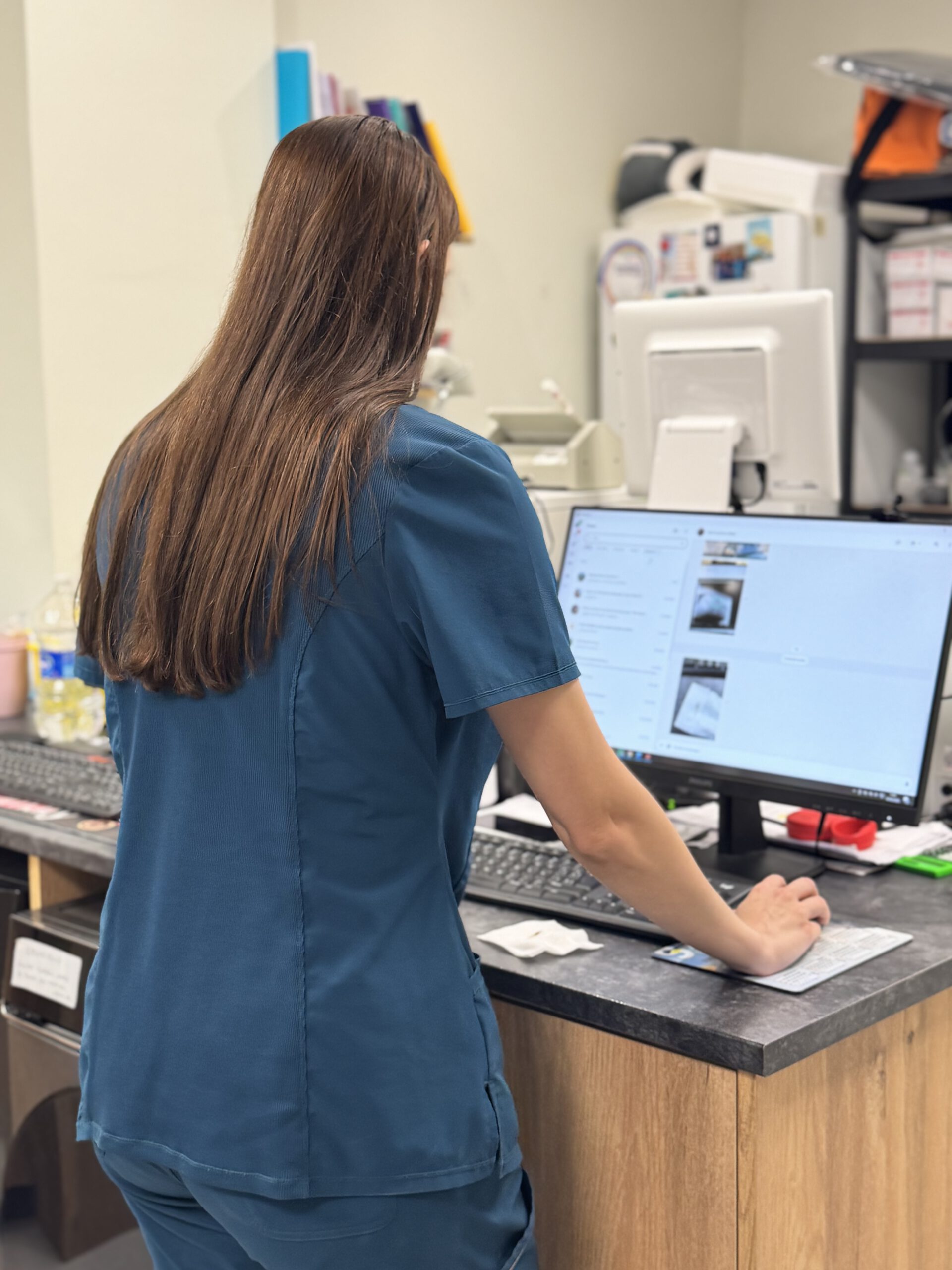
At Benivet Benissa we offer a specialised service of veterinary nutrition for dogs and cats, adapted to their needs according to age, breed, activity level and state of health. A proper diet is key to preventing obesity, allergies, digestive problems or nutritional deficiencies.
Our team carries out complete nutritional assessments and, depending on each case, designs personalised plans. We work with commercial, homemade and therapeutic diets, always supervised to ensure a balanced supply of nutrients. In addition, we integrate nutrition with other services, such as internal medicine and the general review to ensure complete monitoring of your pet's health.
A correct diet not only influences daily health, but also longevity and general well-being. At Benivet, we cater from growing puppies to senior pets, adapting their diet to each stage of life.
If your dog or cat requires a specific nutritional plan, either for a medical condition or for prevention, in our clinic in Benissa you will find the advice you need. In addition, we follow the recommendations of the World Small Animal Veterinary Association (WSAVA)which establishes international nutrition guidelines to ensure safe and effective diets.
At Benivet BenissaWe combine experience, continuous training and commitment to animal welfare to help you improve your pet's quality of life through a healthy and balanced diet.
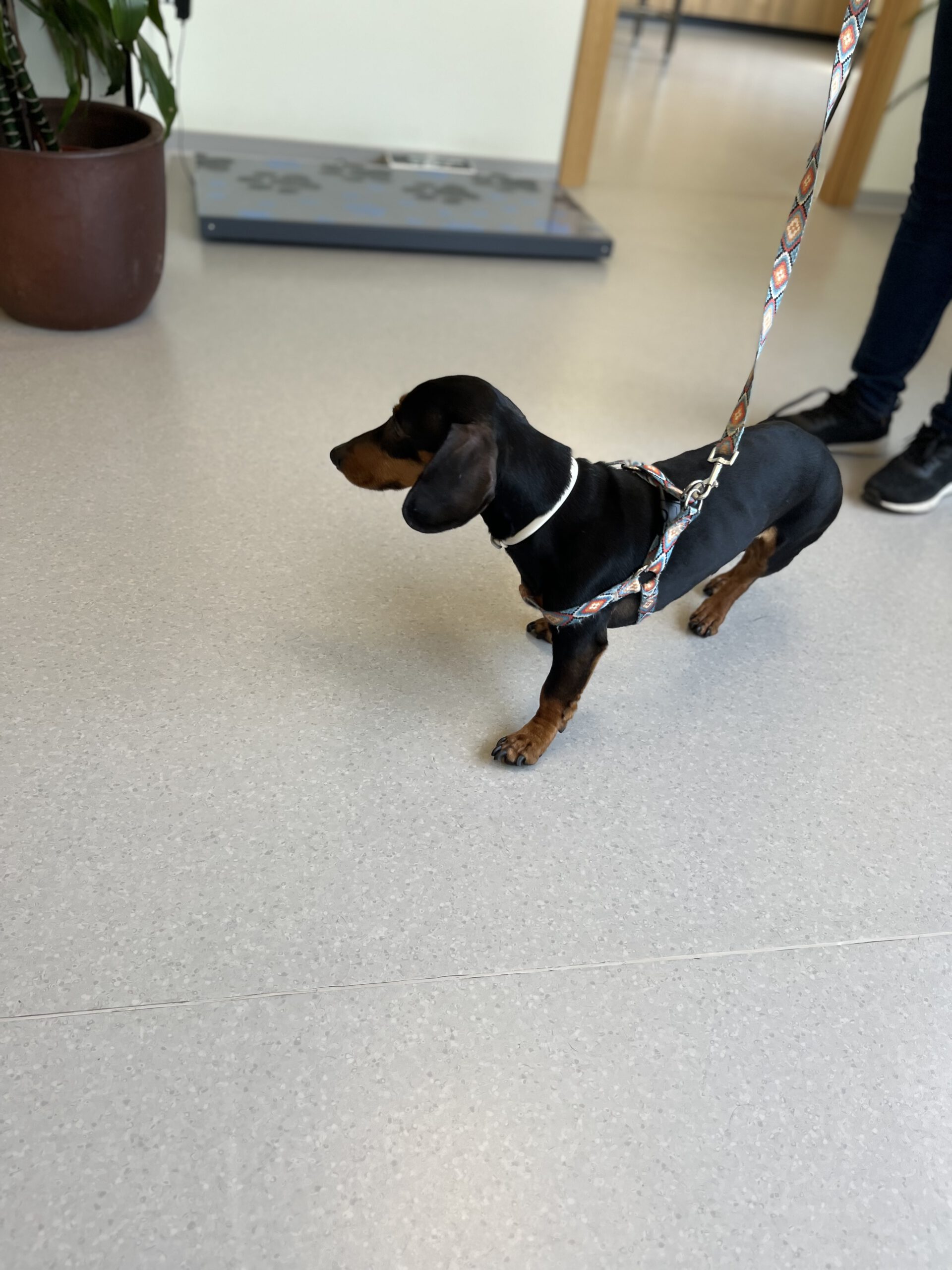
Veterinary nutrition makes it possible to adapt food to the real needs of each pet in order to improve its health and well-being.
Proper nutrition is key to maintaining good health and preventing long-term problems.
Healthy growing or adult pets
Weight and body condition monitoring
Lifestyle-tailored nutrition
In many pathologies, diet is an essential part of clinical management and disease control.
Digestive, renal or endocrine diseases
Food allergies or intolerances
Nutritional support in chronic diseases
Nutritional needs change throughout life and require specific adjustments.
Growing puppies
Senior pets
Recovery after illness or surgery
A veterinary nutrition consultation is not just about choosing a pet food. Its aim is to identify the actual needs of each dog or cat and to establish a diet tailored to their age, state of health, activity level and body condition.
At Benivet Benissa, we review patients’ current diets, assess them and set goals that can be maintained over time.
To find out how much and what your pet is eating, we check:
Type and brand of the usual food.
Daily amount and how to measure portions.
Wet food, treats and snacks.
Left-over food or food offered at home.
Nutritional supplements and aids.
Medicines that are flavoured or taken with food.
Previous dietary changes.
Food preferences, refusal to eat or difficulties with eating.
It is advisable to bring photographs of the packaging and labels of all the food and supplements used. It may also be helpful to keep a record for several days of everything your pet eats, including small amounts given as treats.
Weight alone is not enough to determine whether an animal is in good condition. During the consultation, we can assess:
Current weight and recent trends.
Amount of body fat.
Muscle mass and condition.
Weight distribution.
Activity level.
Approximate energy requirements.
Goal: to maintain, lose or gain weight.
In overweight animals, the aim is not to achieve rapid weight loss, but to reduce weight gradually whilst trying to preserve muscle mass and maintain a nutritionally complete diet.
When being overweight exacerbates osteoarthritis, a limp or a mobility problem, the plan can be coordinated with veterinary orthopaedics and traumatology and with the Pain Unit.
Nutritional requirements change with growth, age and activity levels.
The plan can be adapted to:
Growing puppies and kittens.
Adult dogs and cats.
Neutered animals.
Very active or less active pets.
Pregnant or lactating females.
Senior dogs and cats.
Patients who need to regain weight or muscle mass.
In older pets, we also look out for changes in appetite, weight, digestion and the ability to eat. You can find out what Veterinary services offered by Benivet Benissa for senior pets.
Nutrition can form part of the management of various diseases, but the diet must be chosen once the patient’s diagnosis and clinical condition are known.
It may be necessary to adjust the diet in the following cases:
Overweight or obesity.
Kidney or urinary tract disease.
Digestive problems.
Diabetes.
Liver problems.
Food allergies or reactions.
Heart disease.
Cancer.
Recovery following surgery.
Loss of appetite or muscle mass.
Where there is a chronic condition or symptoms affecting several organs, we coordinate the plan with veterinary internal medicine.
If there is itching, recurrent ear infections or a suspected food reaction, the assessment can be carried out in conjunction with the veterinary dermatology.
For cancer patients, their diet is tailored to their symptoms, treatment and physical condition, in consultation with veterinary oncology.
Not all pets need further tests. The decision depends on their age, symptoms, medical history and the aim of the nutritional plan.
In certain cases, the following may be recommended:
A blood tests to assess the general condition and functioning of various organs.
A urinalysis in the event of kidney or urinary problems, or increased thirst.
A coprological test or stool analysis when there is recurrent diarrhoea or a suspected parasite infection.
A veterinary ultrasound to investigate certain digestive or abdominal disorders in greater depth.
These tests help to ensure that a change in diet does not mask a problem that requires veterinary diagnosis and treatment.
Once we have gathered the information, we draw up a recommendation tailored to the patient. The plan may include:
Recommended type of feed.
Daily amount and feeding schedule.
How to measure out portions.
Prizes that may be offered.
A strategy for changing your diet.
Target weight or body condition.
Recommendations for physical activity, where appropriate.
Date of the next check-up.
We can assess commercial pet food, therapeutic diets or a home-cooked diet formulated to meet the animal’s needs. Home-cooked diets should not be improvised, as excluding or combining foods without a proper formulation can lead to nutritional imbalances.
See also What is the best diet for keeping a pet healthy?.
Nutritional requirements may change during growth, ageing, illness or weight loss. Monitoring therefore makes it possible to check:
Changes in weight.
Changes in body composition and muscle condition.
Appetite and acceptance of food.
Consistency of the stools.
Activity level.
Progression of symptoms.
Easy to follow the plan at home.
With this information, we can adjust the quantities, review the target or consider alternatives. Do not change a therapeutic diet or add supplements without first discussing it with the veterinary team.
Whenever possible, please bring:
Vaccination record and veterinary history.
Previous reports and analyses.
List of medicines and supplements.
Photographs of the packaging and labels.
Approximate quantities of each food item.
Recent weight record.
Information about prizes and food provided between takes.
Any concerns or difficulties relating to diet.
Do you need to adjust your dog’s or cat’s diet? Book a veterinary nutrition consultation at Benivet Benissa or call +34 622 325 271.
Benivet Benissa
Av. del País Valencià, 10, 03720 Benissa, Alicante
Telephone: +34 622 325 271
Opening hours: Monday to Friday from 09:30 to 18:30; Saturdays from 10:00 to 13:00.
Trustindex verifica que la fuente original de la reseña sea Google. Muchas gracias a toda la gente que trabaja en Benivet ☺️ Son profesionales y gente muy amable. Mi gata Mini está mucho mejor gracias a ellos. Son un gran equipo y el trato a los animales no puede ser mejor, los tratáis genial. Sin duda siempre volvemos!!Publicado en GoogleTrustindex verifica que la fuente original de la reseña sea Google. Todo genial! Muy recomendable.Publicado en GoogleTrustindex verifica que la fuente original de la reseña sea Google. Súper professionals, es nota que els agrada el que fan. Molt contenta.Publicado en GoogleTrustindex verifica que la fuente original de la reseña sea Google. Atención inmejorable, profesionalidad indiscutible!! Son un equipo de 10! Conocí a Ana y Andrea hace ya 4 años y estoy encantada de poder contar con ellas y confiarles la salud de mis mascotas! Transmiten el amor por la profesion y los animales!! Es un placer poder contar con todo el equipo!! Muchas gracias chic@s !!Publicado en GoogleTrustindex verifica que la fuente original de la reseña sea Google. Onze hond had een splinter in zn poot, we konden direct terecht en uurtje later konden we hem weer ophalen, operatie en een narcoseprik samen voor maar €. 90.00 maar wat een lieve maar vooral professionals......TOPPublicado en GoogleTrustindex verifica que la fuente original de la reseña sea Google. Para mí es el mejor veterinario de la zona , siempre el mejor trato y con los mejores resultados .Publicado en GoogleTrustindex verifica que la fuente original de la reseña sea Google. This vet is amazing. We travel from Calpe to Benissa for their services. The staff are friendly, knowledgeable and so helpful.Publicado en GoogleTrustindex verifica que la fuente original de la reseña sea Google. Estoy muy contenta con este veterinario, la atención siempre ha sido muy buena y personalizada y las veterinarias tratan a Queen con mucho cariño, a pesar de sus ladridos :)Publicado en GoogleTrustindex verifica que la fuente original de la reseña sea Google. Super cercanos, dispuestos siempre a ayudarte y muy pendientes de los animalitos. Son un equipo increíble!
The veterinary nutrition it's not just about "eating less": it's about adjusting calories, nutrients and routine according to age, activity and state of health (puppies, adults, seniors, sterilised, weight control or therapeutic diets). At Benivet Benissa we assess your pet on an individual basis and, if a cause needs to be confirmed or the most suitable diet chosen, we recommend tests. only when they provide useful information:
Veterinary practice in Benissa(BCS) and review of habits (ration, treats, mixed feeding, schedules).
Blood tests y urinalysis: yes there is weight lossThe use of the product in the treatment of chronic diseases, increased thirst/urination, suspected metabolic disturbances or to monitor safety in therapeutic diets and chronic diseases.
Coprological tests / stool analysiswhen there is recurrent diarrhoea, poor digestion or suspicion of parasites/intolerances that may affect the nutritional plan.
Veterinary ultrasoundif there is repeated vomiting, abdominal pain or weight loss without clear cause and we need to assess digestive organs and soft tissues.
If the overweight is already affecting mobility or there is joint pain, we coordinate the plan with veterinary orthopaedics and traumatology and/or with the PAIN UNIT to improve wellbeing while losing weight. And if there is chronic illness that requires constant adjustments, we coordinate it from veterinary internal medicine.
👉 If you want a personalised diet plan (weight control, elimination diet or therapeutic diet), request an appointment here or call +34 622 325 271.
According to the DGT, when travelling with your pet in the car, you must place a separator to prevent your pet from distracting you and
Only a veterinarian can assess the health status of the animals, taking also into account other circumstances such as the type of
Domestic or companion animals, particularly those belonging to the canine species, shall also be classified as potentially dangerous,
The diet is tailored to each pet’s state of health. Depending on the individual case, preliminary tests may be recommended or the nutritional plan may be coordinated with other departments within the clinic.
When diet forms part of the management of a kidney, digestive, liver or endocrine condition that requires constant adjustments.
In cases of weight loss, increased thirst or suspected metabolic disorders, and to monitor therapeutic diets.
If there is recurrent diarrhoea, indigestion or a suspicion of parasites that may affect the nutritional plan.
When being overweight exacerbates osteoarthritis, a limp or a mobility problem.
To improve the wellbeing of pets with joint pain whilst they are losing weight.
If there is itching, recurrent ear infections or a suspected food allergy requiring an elimination diet.
Nutrition directly influences the digestive health, weight, skin, skin, energy, joints and chronic disease progression. A proper nutritional plan can prevent future problems and improve your pet's quality of life, especially if it has specific needs (allergies, overweight, kidney disease, etc.).
It is recommended in:
Dogs and cats with overweight or obesity
Older animals
Patients with kidney, liver, heart or endocrine disease
Pets with food allergies or sensitive digestions
Growing puppies and kittens
Sporting or highly active dogs
Each case requires different nutritional management.
It includes a complete dietary historyThe patient's body condition, weight, muscle mass and digestive symptoms are assessed. Depending on the case, it is complemented by analytical, ultrasound or specific tests to design a safe and effective diet. The plan may include feed, wet food, cooked diet or special diets formulated by veterinarians.
Yes, as long as the recipe is designed by a specialised veterinarianMany homemade diets do not provide vitamins, minerals or essential amino acids in adequate quantities. At Benivet Benissa we adapt the recipes so that they are balanced and safe according to your pet's condition.
It depends on the objective. In general, it is recommended to review each 3 months in overweight or chronically diseased animals and each 6-12 months in healthy pets. In puppies, check-ups are more frequent because their needs change rapidly.
Some warning signs are: intermittent vomiting, loose stools, gas, weight loss, itchiness, hair loss, lack of energy or rapid weight gain. If you notice any of these changes, a nutritional check-up is recommended.
Do you have any doubts about care, treatment or prevention for your pet? Consult our section of Frequently Asked Questions where we solve the most common queries about dogs and cats.