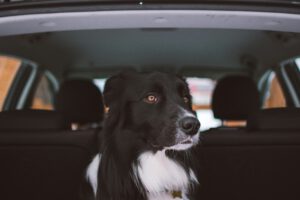
How should dogs (and other pets) be carried in the car according to the DGT?
According to the DGT, when travelling with your pet in the car, you must place a separator to prevent your pet from distracting you and

The canine leishmaniasis is a parasitic disease transmitted by the bite of a phlebotomine sandfly, especially present in Mediterranean areas such as the Marina Alta. A early diagnosisThe disease can be controlled and the quality of life of the affected dog can be improved with appropriate veterinary follow-up.
At Benivet Benissa we take a holistic approach to leishmaniasis including prevention, diagnosis, treatment and regular monitoringThe plan is adapted to the clinical situation and lifestyle of each animal.
Benivet Benissa - Av. del País Valencià, 10, 03720 Benissa -
M-F 9:30-18:30 - S 10:00-13:00
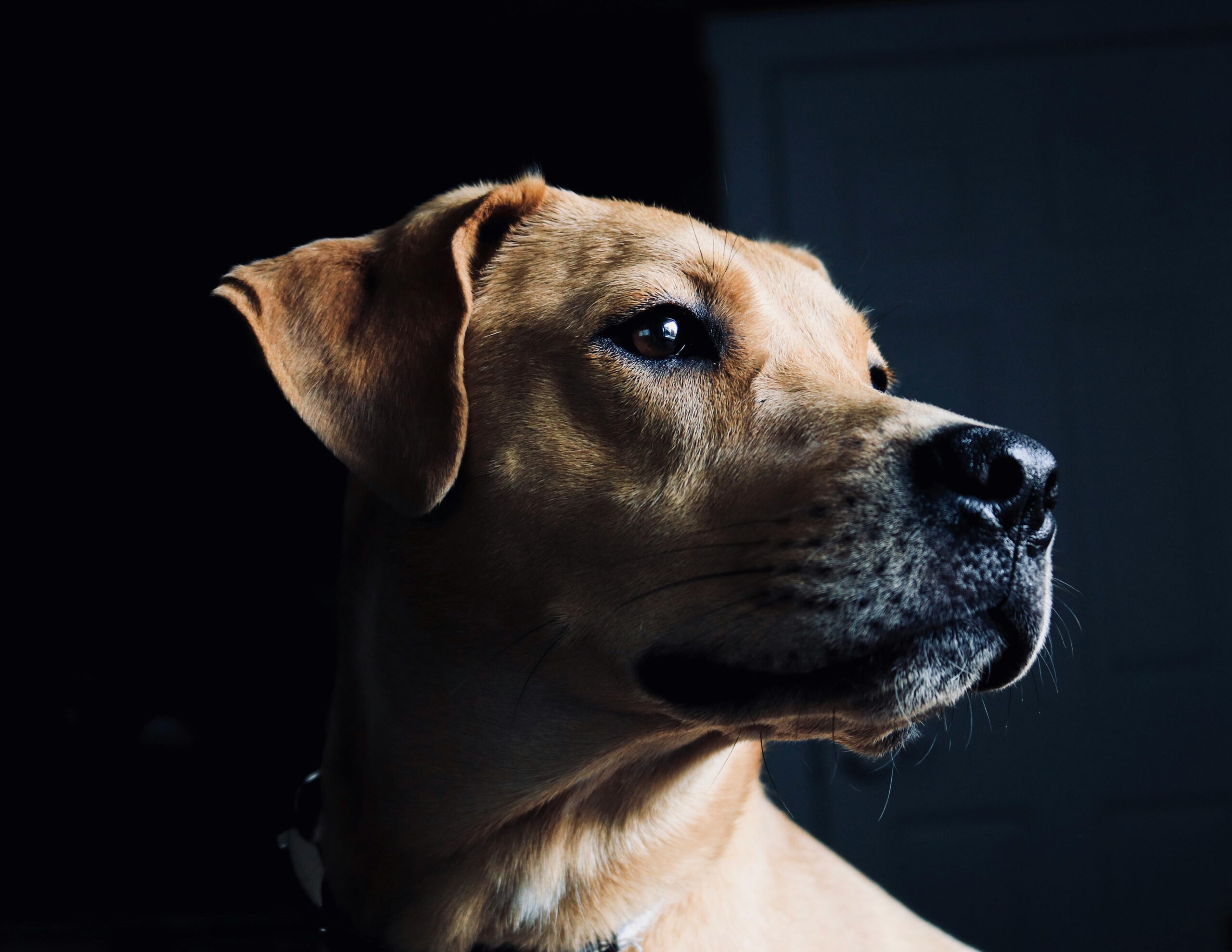
The leishmaniasis in dogs is a serious disease caused by the parasite Leishmania infantumtransmitted by the bite of the phlebotomine sandfly. Without proper treatment it can be fatal, but with early diagnosis and a care plan it is possible to ensure the animal's quality of life.
At Benivet Benissa we are specialists in the prevention and management of canine leishmaniasisThe company offers a holistic approach combining vaccination, deworming and regular check-ups.
The main preventive measures include:
VaccinationStrengthens the immune system and reduces the risk of infection.
Anti-parasite collars and pipettesprotect from the bite of the mosquito that transmits the disease.
Preventive habitsAvoid walks at dawn and dusk, when mosquitoes are most active.
In the case of a positive diagnosis, our veterinary team designs personalised treatmentsThis may include oral or injectable medication, along with specific care to alleviate symptoms and boost the immune system. This protocol is complemented by our areas of internal medicine y veterinary check-upThe disease is controlled in a holistic manner.
The initial symptoms of leishmaniasis in dogs can be subtle, but early detection is key to improving the prognosis. Some of the most common are:
Progressive weight loss and muscle weakness.
Skin lesions on face and ears.
Hair loss, scabs and non-healing wounds.
Abnormal nail growth or nosebleeds.
Inflammation of lymph nodes.
If you notice any of these signs, go to a doctor as soon as possible. general practice. At Benivet Benissa we carry out specific laboratory tests to confirm the infection and determine the general condition of your pet.
According to the World Health Organisation (WHO)Leishmaniasis is one of the main zoonoses at a global level, which reinforces the importance of prevention in endemic areas such as the Valencian Community.
At Benivet Benissa we offer you our experience and technology to protect your dog against this disease.
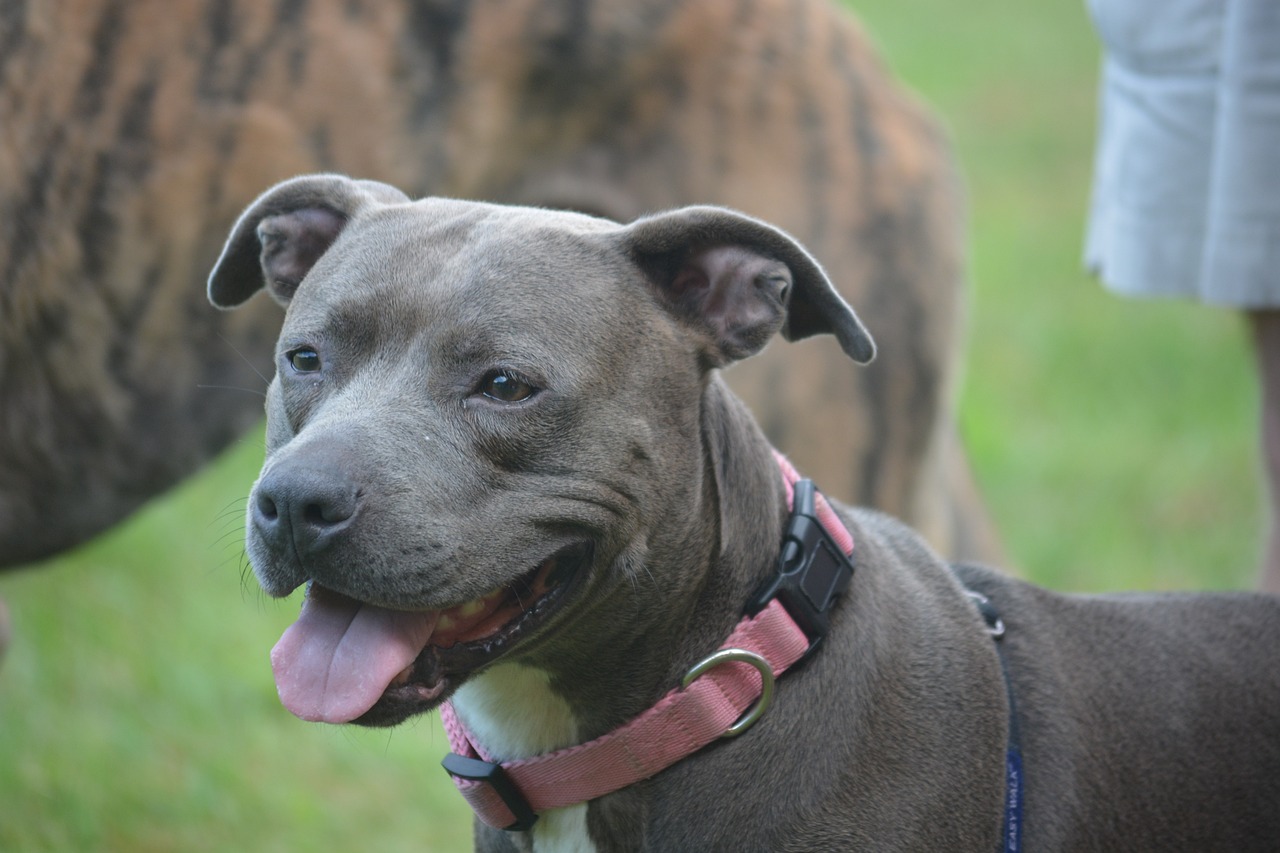
Leishmaniasis requires a preventive approach and proper veterinary monitoring to detect the disease early and maintain the dog's quality of life.
In areas where leishmaniasis is endemic, prevention is key even in apparently healthy dogs.
Use of phlebotomine sandfly preventive measures
Regular veterinary checks
Dogs living in or travelling to risk areas
Early detection allows disease control to be initiated before the onset of severe symptoms.
Control analytics
Dogs with positive test results
Assessment after exposure to the vector
Diagnosed dogs require regular check-ups to adjust treatment and prevent complications.
Periodic analytical control
Adjustment of treatment according to evolution
Improving and maintaining quality of life
Trustindex verifica que la fuente original de la reseña sea Google. Very friendly and competent team, thnxPublicado enTrustindex verifica que la fuente original de la reseña sea Google. No puc estar més agraïda amb tot l’equip de Benivet Benissa. Molt professionals i una feina excel•lent el que amb fet amb la meua gosseta. Recomanable 100%. Gràcies a tots i totes!!Publicado enTrustindex verifica que la fuente original de la reseña sea Google. Excel·lent equip veterinari. Han ajudat la meua mascota a recuperar-se d’un estat crític provocat per una conjunció de patologies. Un lloc de total confiança i amb tot tipus de recursos, on la seua professionalitat, proximitat i dedicació fan que et sentes acompanyat en tot moment. Sens dubte, els recomane al 100%.Publicado enTrustindex verifica que la fuente original de la reseña sea Google. We have many dogs with a series of issues- Anna has looked after hamish since he was a puppy and he loves her. She has helped solve his skin and food allergies , and more recently helped to diagnose an abscess and a specialist was brought in to remove the problematic tooth- as it was a complicated extraction. Also keep ontop of his epilepsy and medications.Constantin has also done leg surgeries in two of my dogs who have had broken cruciate ligaments. Treatment is ongoing with some complications but all the vets and staff are happy to help whenever we need- frequent questions and calls after hours , as well as emergency call outs ! They have been fantastic! Highly recommend! Thank youPublicado enTrustindex verifica que la fuente original de la reseña sea Google. Súper professionals, es nota que els agrada el que fan. Molt contenta.Publicado enTrustindex verifica que la fuente original de la reseña sea Google. Realicé las prácticas como veterinaria en esta clínica y no puedo estar más contenta con esta decisión. Desde el primer día hasta el último me hicieron sentir que formaba parte del equipo en todo momento. Me tuvieron en cuenta en cada procedimiento que realizaban, haciéndome partícipe y explicándome todo con paciencia y profesionalidad. Los veterinarios y las auxiliares son excepcionales y muy profesionales, ofreciendo un trato inmejorable tanto a los animales como a los propietarios, ya que trabajan con protocolos muy rigurosos y cuentan con anestesista propia, lo que les hace únicos en la zona. No puedo estar más agradecida por la experiencia y el aprendizaje. Sin duda son un gran equipo; cercanos, profesionales y apasionados por su profesión. Gracias!Publicado enTrustindex verifica que la fuente original de la reseña sea Google. El equipo de Benivet ha sido mi primera y única opción para todos mis perros durante años. ¡Cada uno es increíblemente hábil en su área de especialización! Me encanta que en esta clínica se pueda hacer de todo, desde exámenes especializados hasta cirugías. No solo son profesionales dedicados, sino también increíblemente amables y compasivos tanto con los perros como con sus dueños. Siempre iré a Benivet con todas mis mascotas actuales y futuras. ¡El mejor equipo de la zona! Het team van Benivet is al jaren mijn eerste en enige keuze voor al mijn honden. Ze zijn ieder, in hun eigen vakgebied, enorm bekwaam! Ik vind het fijn dat alles in deze kliniek gedaan kan worden, van specialistische onderzoeken tot operaties. Ze zijn niet alleen professioneel betrokken maar ook enorm lief en meelevend naar de honden en naar de eigenaren. Ik zal altijd maar Benivet blijven gaan met al mijn huidige en toekomstige beesten. Het beste team in de omgeving!Publicado enTrustindex verifica que la fuente original de la reseña sea Google. Trato inmejorable, atentos y con ganas de encontrar el problema para solucionarlo cuanto antes 🥰 muy contentos con como tratáis a los animalitos ❤️Publicado enTrustindex verifica que la fuente original de la reseña sea Google. Mi gato felizPublicado enTrustindex verifica que la fuente original de la reseña sea Google. Lo agradecería que estoy con ellos no es suficiente, desde el dia uno siempre se comportaron de la mejor manera, son super amables, se nota que aman lo que hacen, me han atendido en urgencias, se han quedado mas tiempo del que les tocaba y todo para que esten bien mis animales y estar yo tranquila, de verdad que los recomiendo de todo corazon, hacia falta una veterinaria asi, gracias por el increible trabajo❤️
The leishmaniasis requires an orderly approach: assess symptoms, confirm infection and measure the impact on organs (especially kidney and liver) in order to choose the appropriate treatment and follow-up. At Benivet Benissa, after the examination, we recommend the following tests only when they provide useful information:
Veterinary practice in BenissaMedical history (travel, risk by area/endemic), complete examination and prioritisation of the plan.
Blood testsThe basis for diagnosis and follow-up (general condition, inflammation and, above all, assessment of organic involvement).
UrinalysisThe key to assessing renal function and detecting alterations that condition prognosis and treatment.
Microscopy and cytologyin selected cases (e.g. skin lesions or lymph nodes) to complete the study when needed.
If skin lesions, itchiness or alopecia predominate, we also coordinate with veterinary dermatology to treat skin complications.
For prevention in endemic areas, we reviewed the preventive plan with veterinary deworming (protection against sandflies) and, if appropriate to the timetable and risk, with veterinary vaccination.
If the case requires long-term monitoring or follow-up of organs, we coordinate it from veterinary internal medicine. And if the patient is unstable or in need of fluid therapy/monitoring, we can rely on veterinary hospitalisation.
👉 If you want an assessment or a control test, request an appointment here or call +34 622 325 271.
According to the DGT, when travelling with your pet in the car, you must place a separator to prevent your pet from distracting you and
Only a veterinarian can assess the health status of the animals, taking also into account other circumstances such as the type of
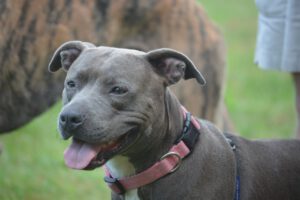
Domestic or companion animals, particularly those belonging to the canine species, shall also be classified as potentially dangerous,
Here is our timetable

Leishmaniasis is transmitted through the bite of the phlebotomusa small mosquito that is very common in warm areas such as the Costa Blanca. It is not spread directly between dogs or from dogs to people; the insect vector is always involved. Prevention is essential to avoid the disease.
The signs can be very varied: weight lossSome dogs have mild symptoms for months, so regular check-ups are key to detecting it early. Some dogs have mild symptoms for months, so regular check-ups are key to early detection.
The diagnosis is based on blood testsWe recommend a clinical assessment and, if necessary, complementary tests such as cytology or specific profiles to assess the renal and hepatic status. We also recommend performing annual testeven if the dog is protected, for early detection.
Leishmaniasis is often not completely curedHowever, with proper treatment, most dogs can live a long and stable life. The aim is to control the disease, reduce symptoms and monitor for relapses through regular check-ups.
Prevention combines several methods:
Repellent collars and pipettes specific
Vaccination against leishmaniasis
Avoid walks at dawn and dusk.when the phlebotomine sandfly is most active
Use of mosquito nets or avoidance of damp and wooded areas in risk months.
Your vet will advise you on the best combination according to your lifestyle.
Although it is much less common than in dogs, cats can also become infected. They are generally more resistant, but may develop skin or eye symptoms. It is advisable to protect them in endemic areas and to consult if suspicious lesions appear.
Do you have any doubts about care, treatment or prevention for your pet? Consult our section of Frequently Asked Questions where we solve the most common queries about dogs and cats.