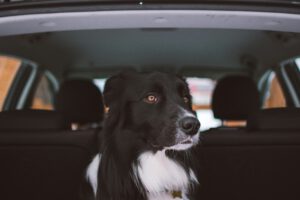
How should dogs (and other pets) be carried in the car according to the DGT?
According to the DGT, when travelling with your pet in the car, you must place a separator to prevent your pet from distracting you and
The veterinary orthopaedics and traumatology is responsible for the diagnosis and treatment of bone, joint, muscle and spinal injuries in dogs and cats, whether traumatic, degenerative or congenital in origin. An appropriate approach is key to relieving pain, restoring mobility and improving quality of life of the patient.
At Benivet Benissa We assess each case individually, combining clinical examination, diagnostic imaging and the most appropriate therapeutic options - surgical or conservative - according to the real needs of each pet.
Benivet Benissa - Av. del País Valencià, 10, 03720 Benissa -
M-F 9:30-18:30 - S 10:00-13:00
At Benivet BenissaWe know how important it is to maintain the mobility and well-being of your pet. Our service of veterinary orthopaedics and traumatology is designed to diagnose and treat joint problems, fractures and muscle injuries in dogs, cats and other companion animals.
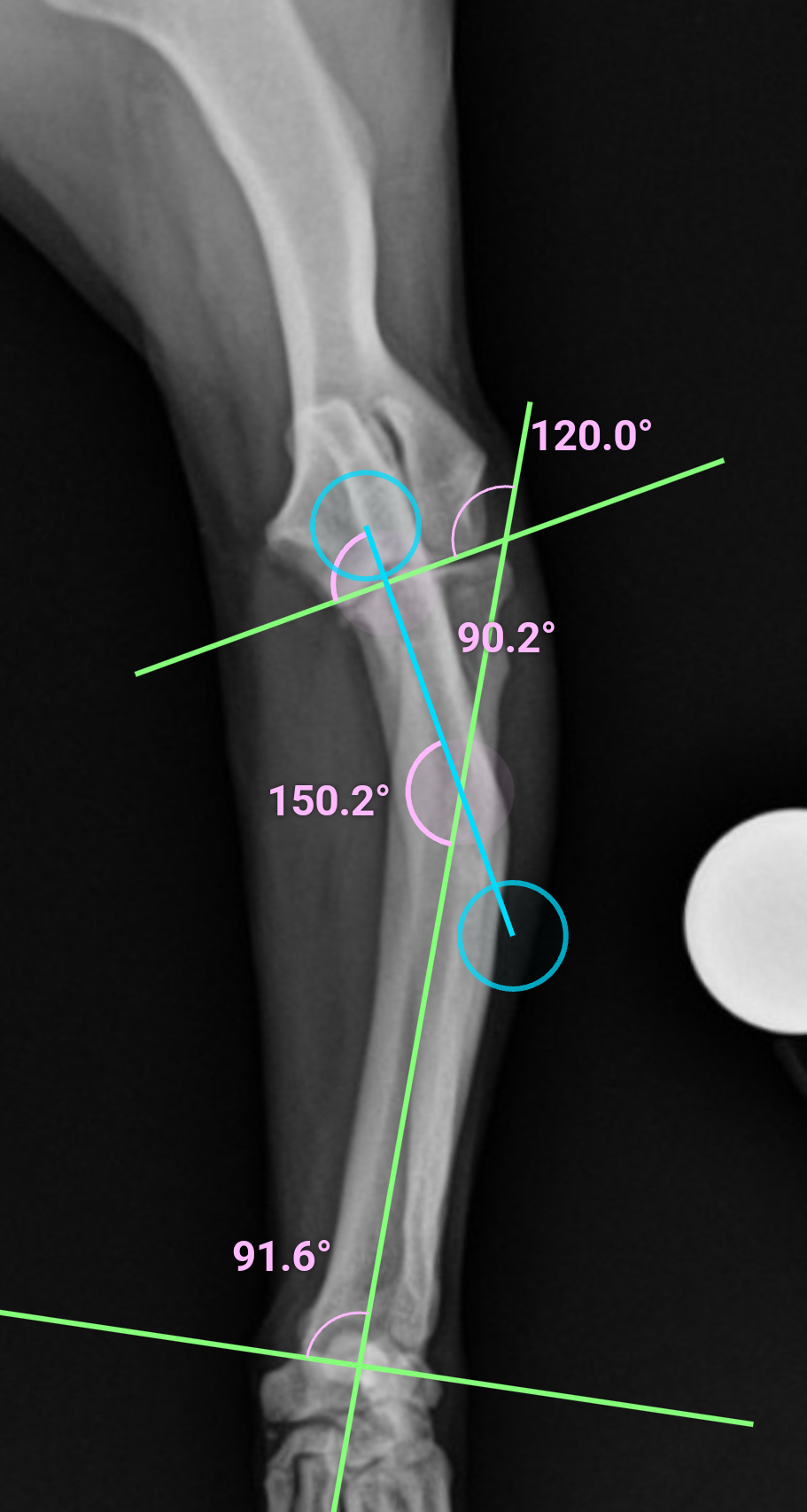
If your pet suffers from a fractureshows persistent lamenesspresents dysplasia or you need follow-up care after surgery, we have the means and the experience to help you. We do X-rays and ultrasound scans high precision, functional examinations and, if necessary, orthopaedic surgical procedures adapted to each case.
We also work on postoperative recovery and pain relief, thanks to individualised plans from our veterinary rehabilitation and physiotherapywith exercises, movement control and progressive monitoring.
In cases of osteoarthritis, ligament injuries or chronic conditions, we work together with the team from internal medicine to address possible systemic causes affecting mobility.
Trust Benivet Benissa, experts in taking care of what you love the most!
At Benivet Benissawe offer specialised care in veterinary orthopaedics and traumatology for dogs, cats and other pets with mobility problems or injuries to the locomotor system.
Our team approaches each case with experience, advanced technology and a personalised clinical approach. We treat from fractures and dislocationsto dysplasias, persistent lamenessjoint or muscle injuries. For an accurate diagnosis, we carry out full clinical assessmentsfunctional testing and ultrasound and radiological examinations.
Depending on the diagnosis, we apply conservative therapies, orthopaedic surgery or post-operative recovery programmes. We also work with therapeutic feeding plansThe use of these products is essential for overweight animals or animals with joint diseases.
According to the WSAVA (World Small Animal Veterinary Association)Chronic pain in pets can be significantly reduced with a holistic approach combining medical treatment, nutrition and physiotherapy.
If your pet has difficulty climbing stairs, complains when moving or avoids running, it may need orthopaedic care. At Benivet Benissawe deal with cases of Calpe, Moraira, Teulada, Jalón and the whole Marina Alta.
Your companion deserves to move without pain. Trust our team to improve their quality of life.
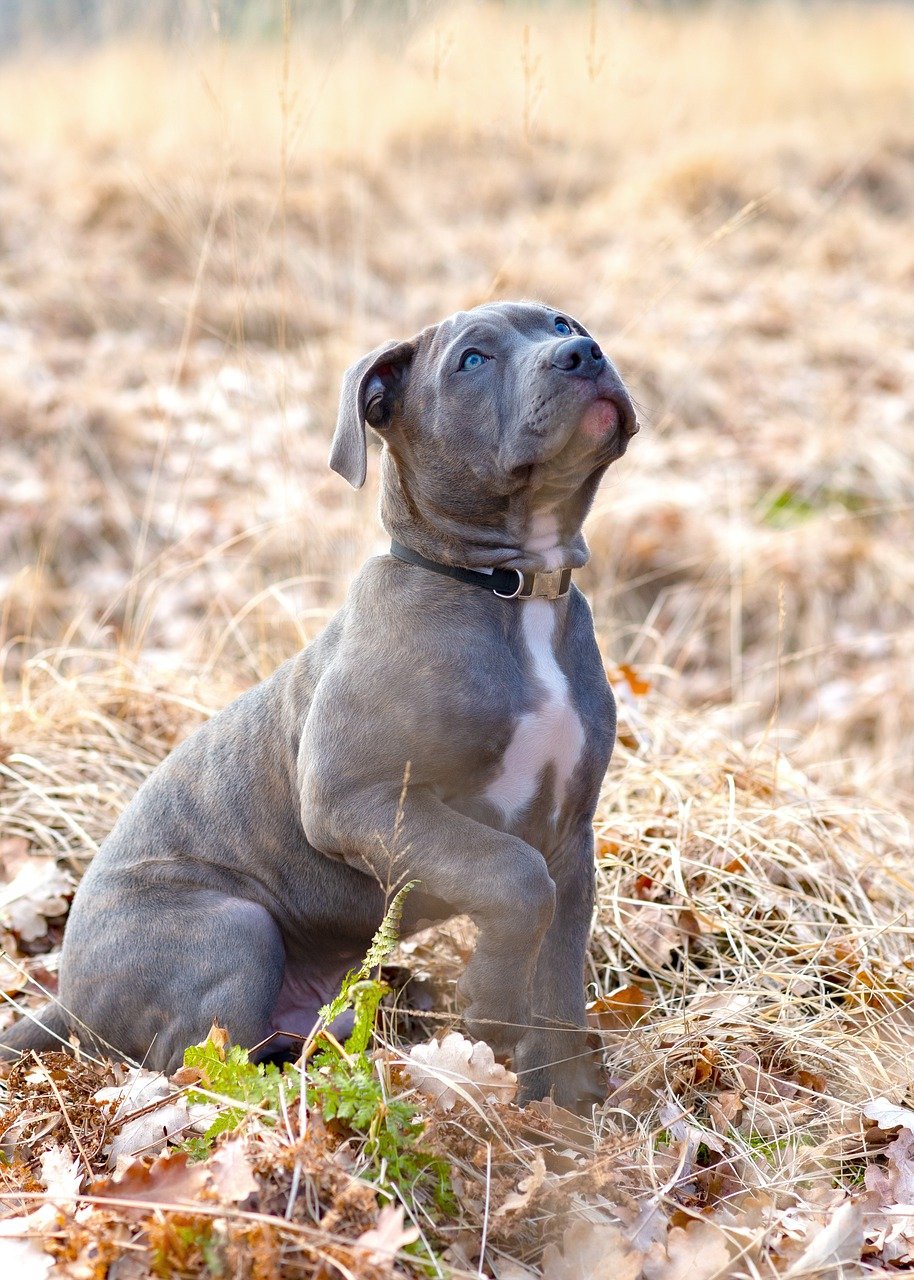
Veterinary orthopaedics and traumatology deals with problems affecting bones, joints, muscles and spine, with the aim of relieving pain and restoring mobility.
Alterations in walking or standing up usually indicate a locomotor system problem that requires specialist assessment.
Persistent or intermittent lameness
Difficulty in climbing stairs or getting up
Stiffness or loss of mobility
After a blow, fall or accident, veterinary traumatology allows for the assessment and treatment of possible internal injuries.
Fractures or dislocations
Recent blows or accidents
Acute pain after trauma
Some joint or bone pathologies require specific monitoring to improve the patient's quality of life.
Arthrosis
Dysplasia or other developmental disorders
Chronic pain and functional limitation
Trustindex verifica que la fuente original de la reseña sea Google. Very friendly and competent team, thnxPublicado enTrustindex verifica que la fuente original de la reseña sea Google. No puc estar més agraïda amb tot l’equip de Benivet Benissa. Molt professionals i una feina excel•lent el que amb fet amb la meua gosseta. Recomanable 100%. Gràcies a tots i totes!!Publicado enTrustindex verifica que la fuente original de la reseña sea Google. Excel·lent equip veterinari. Han ajudat la meua mascota a recuperar-se d’un estat crític provocat per una conjunció de patologies. Un lloc de total confiança i amb tot tipus de recursos, on la seua professionalitat, proximitat i dedicació fan que et sentes acompanyat en tot moment. Sens dubte, els recomane al 100%.Publicado enTrustindex verifica que la fuente original de la reseña sea Google. We have many dogs with a series of issues- Anna has looked after hamish since he was a puppy and he loves her. She has helped solve his skin and food allergies , and more recently helped to diagnose an abscess and a specialist was brought in to remove the problematic tooth- as it was a complicated extraction. Also keep ontop of his epilepsy and medications.Constantin has also done leg surgeries in two of my dogs who have had broken cruciate ligaments. Treatment is ongoing with some complications but all the vets and staff are happy to help whenever we need- frequent questions and calls after hours , as well as emergency call outs ! They have been fantastic! Highly recommend! Thank youPublicado enTrustindex verifica que la fuente original de la reseña sea Google. Súper professionals, es nota que els agrada el que fan. Molt contenta.Publicado enTrustindex verifica que la fuente original de la reseña sea Google. Realicé las prácticas como veterinaria en esta clínica y no puedo estar más contenta con esta decisión. Desde el primer día hasta el último me hicieron sentir que formaba parte del equipo en todo momento. Me tuvieron en cuenta en cada procedimiento que realizaban, haciéndome partícipe y explicándome todo con paciencia y profesionalidad. Los veterinarios y las auxiliares son excepcionales y muy profesionales, ofreciendo un trato inmejorable tanto a los animales como a los propietarios, ya que trabajan con protocolos muy rigurosos y cuentan con anestesista propia, lo que les hace únicos en la zona. No puedo estar más agradecida por la experiencia y el aprendizaje. Sin duda son un gran equipo; cercanos, profesionales y apasionados por su profesión. Gracias!Publicado enTrustindex verifica que la fuente original de la reseña sea Google. El equipo de Benivet ha sido mi primera y única opción para todos mis perros durante años. ¡Cada uno es increíblemente hábil en su área de especialización! Me encanta que en esta clínica se pueda hacer de todo, desde exámenes especializados hasta cirugías. No solo son profesionales dedicados, sino también increíblemente amables y compasivos tanto con los perros como con sus dueños. Siempre iré a Benivet con todas mis mascotas actuales y futuras. ¡El mejor equipo de la zona! Het team van Benivet is al jaren mijn eerste en enige keuze voor al mijn honden. Ze zijn ieder, in hun eigen vakgebied, enorm bekwaam! Ik vind het fijn dat alles in deze kliniek gedaan kan worden, van specialistische onderzoeken tot operaties. Ze zijn niet alleen professioneel betrokken maar ook enorm lief en meelevend naar de honden en naar de eigenaren. Ik zal altijd maar Benivet blijven gaan met al mijn huidige en toekomstige beesten. Het beste team in de omgeving!Publicado enTrustindex verifica que la fuente original de la reseña sea Google. Trato inmejorable, atentos y con ganas de encontrar el problema para solucionarlo cuanto antes 🥰 muy contentos con como tratáis a los animalitos ❤️Publicado enTrustindex verifica que la fuente original de la reseña sea Google. Mi gato felizPublicado enTrustindex verifica que la fuente original de la reseña sea Google. Lo agradecería que estoy con ellos no es suficiente, desde el dia uno siempre se comportaron de la mejor manera, son super amables, se nota que aman lo que hacen, me han atendido en urgencias, se han quedado mas tiempo del que les tocaba y todo para que esten bien mis animales y estar yo tranquila, de verdad que los recomiendo de todo corazon, hacia falta una veterinaria asi, gracias por el increible trabajo❤️
The veterinary orthopaedics and traumatology is indicated when your pet has lamenesspain when getting up or climbing stairs, stiffness, loss of mobility, inflammation, or after a blow/fall. At Benivet Benissa we start with medical history + orthopaedic examination (gait, palpation, joint ranges, pain and stability) and, if the cause needs to be confirmed or treatment planned, we indicate tests only when they provide useful information:
Veterinary practice in BenissaInitial assessment, complete examination and prioritisation of the case (acute vs. chronic).
Veterinary radiologyFirst test in many cases to evaluate bone, osteoarthritis, dysplasia, fractures or changes compatible with injury.
Veterinary CAT scanRecommended in complex cases (spine, joints, difficult to see lesions) or to plan surgery with more precision.
Veterinary arthroscopyif we suspect intra-articular lesions and are looking for a minimally invasive approach to diagnose and sometimes treat.
Blood testsuseful before sedation/anaesthesia or if there is systemic inflammation and we need to adjust treatment safely.
If the pain is significant or the case is chronic, we will coordinate the plan with the PAIN UNIT for multimodal control and better quality of life. And if overweight is impacting on joints, we address it with veterinary nutrition to improve mobility and recovery.
👉 If your pet is limping, in pain or has suffered a trauma, request an appointment here or call +34 622 325 271.
According to the DGT, when travelling with your pet in the car, you must place a separator to prevent your pet from distracting you and
Only a veterinarian can assess the health status of the animals, taking also into account other circumstances such as the type of
Domestic or companion animals, particularly those belonging to the canine species, shall also be classified as potentially dangerous,
If your pet limps during more than 24-48 hoursIf the pain is intense, if the limb is not supported or if the lameness appears recurrently, it is advisable to go for a check-up. Lameness may be due to sprains, torn ligaments, dislocations, fractures, joint problems or growth disorders, and early diagnosis improves the prognosis.
Depending on the case, this may include:
Digital radiography
Musculoskeletal ultrasound
TAC for complex fractures or joint injuries
Ligament stability tests
Neurological assessment
These tests allow the most appropriate treatment (medical, rehabilitative or surgical) to be chosen.
Not always. Some lesions respond well to rest, anti-inflammatory drugs, physiotherapy or weight control. However, breakages such as the one in the cruciate ligamentIf the limb is unstable, dislocations or fractures do require surgery to restore normal function of the limb and avoid long-term joint damage.
Among the most common interventions are:
Correction of cruciate ligament rupture (extracapsular techniques)
Fracture repair
Dislocation reduction
Trauma-related joint and soft-tissue surgeries
Each case is assessed on an individual basis and safe analgesia and anaesthesia protocols are used.
Recovery usually includes:
Pain management
Strict rest during the first weeks
Progressive rehabilitation
Review and withdrawal of stitches
Radiographic control if necessary
Proper follow-up is key to safely regaining mobility and minimising relapses.
It helps to maintain a appropriate weightAvoid excessive jumping on hard surfaces, warm up before physical activity in sporting dogs and ensure good environmental control in puppies to prevent accidents. Early detection of lameness or movement difficulties is essential.
Do you have any doubts about care, treatment or prevention for your pet? Consult our section of Frequently Asked Questions where we solve the most common queries about dogs and cats.